



How to Choose the Right Kneeling Chair for Your Home Office
Kneeling chairs are not one-size-fits-all, and buying the wrong one means an expensive experiment in shin discomfort. Here is what actually matters when you are evaluating options in 2026.
Height Adjustability and Your Desk Setup
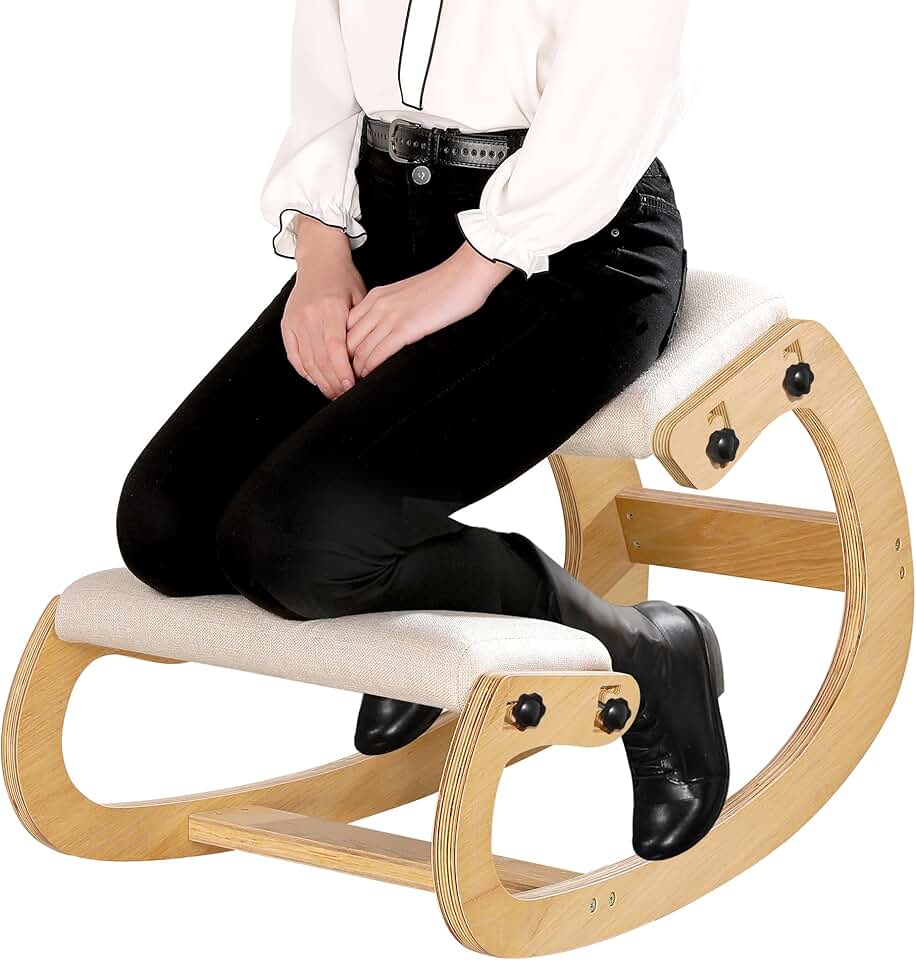
The most overlooked spec in this category is seat height range. The Sleekform Kneeling Chair adjusts from 21 to 28 inches, which works well for users around 5'4" to 5'10" at a standard 28-30 inch desk. The VARIDESK Active Seat is designed for desk heights above 30 inches, making it the right call if you use a sit-stand desk set to a raised position. If your desk height does not match the chair's usable range, no amount of cushion quality fixes the ergonomics. Measure your desk height before ordering.
Cushion Thickness and Knee Pad Comfort for Long Sessions
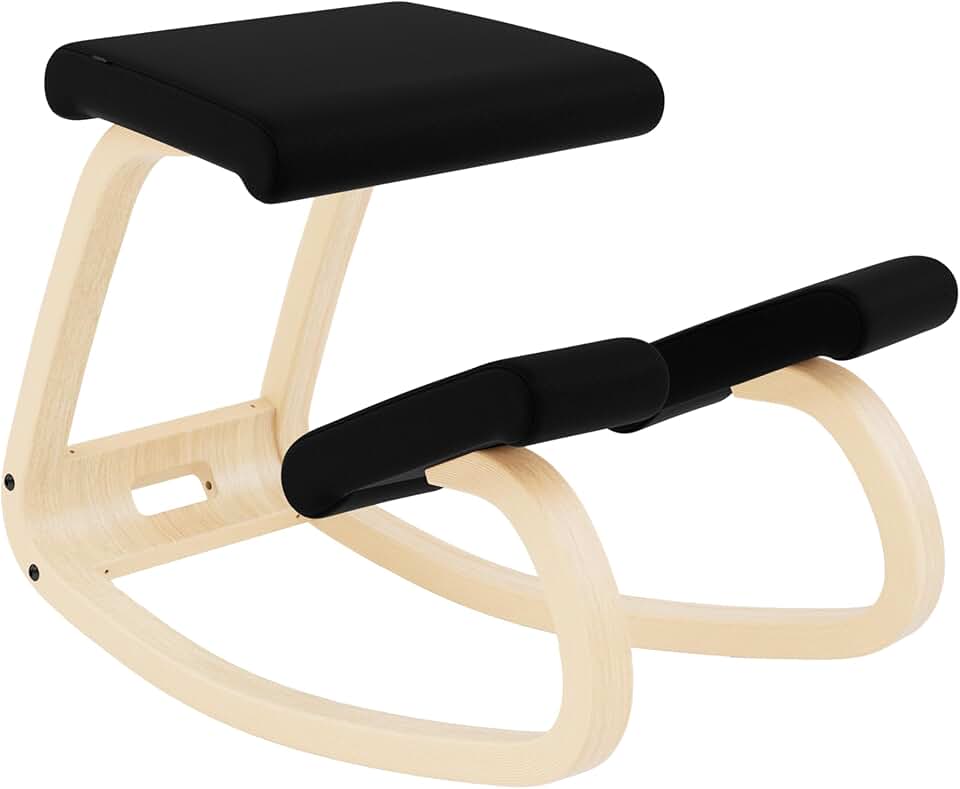
Kneeling chairs distribute your weight between your seat and your shin/knee pads, so cushion quality matters more here than in a standard chair. The Sleekform Austin uses a 4-inch thick cushion, which is above average for the $170 price point and contributes to its top-3 comfort ranking in 2026 reviews. The honest caveat: the knee pads on the Sleekform can feel firm during sessions longer than 45 minutes, and the knee pad position is not independently adjustable. For comparison, the Varier Thatsit Balans - which scored 74/100 in independent ergonomic testing and retails significantly above both products here - offers a fully adjustable sled base that accommodates a wider range of body proportions. If your budget stretches to that tier, the build quality difference is real.
Weight Capacity and Body Type Fit
The Sleekform Kneeling Chair supports up to approximately 250 lbs, which covers most users but is worth confirming before purchase if you are near that limit. The VARIDESK Active Seat is rated for users under 220 lbs. Neither chair is a strong fit for users significantly above those limits - the Varier Variable Balans with 800-plus reviews at 4.5 stars handles heavier users better but costs considerably more. If you fall into the upper range of the weight specs listed here, treat the published limits as firm rather than conservative.
Active Sitting vs. Full Support - Knowing What You Actually Need
Kneeling chairs are active seating tools, not passive support systems. They have no backrest, which means your core and lower back muscles stay engaged the whole time - that is the mechanism behind the back pain relief. This is a genuine benefit for users who want posture improvement and core engagement during 2-4 hour focused work sessions. It is not appropriate for anyone with existing knee injuries, balance difficulties, or circulation issues in the lower legs, as the shin pad contact can restrict blood flow during longer sessions. If you need full lumbar support for an all-day setup, a well-fitted ergonomic office chair should be your primary seat, with a kneeling chair used as a secondary option for focused work blocks.
Watch out for: chairs marketed as kneeling chairs that use a fixed, non-adjustable seat angle. The forward tilt - ideally around 20-30 degrees - is what drives the hip angle benefit. A flat or minimally angled seat turns a kneeling chair into an overpriced stool.