Build Quality
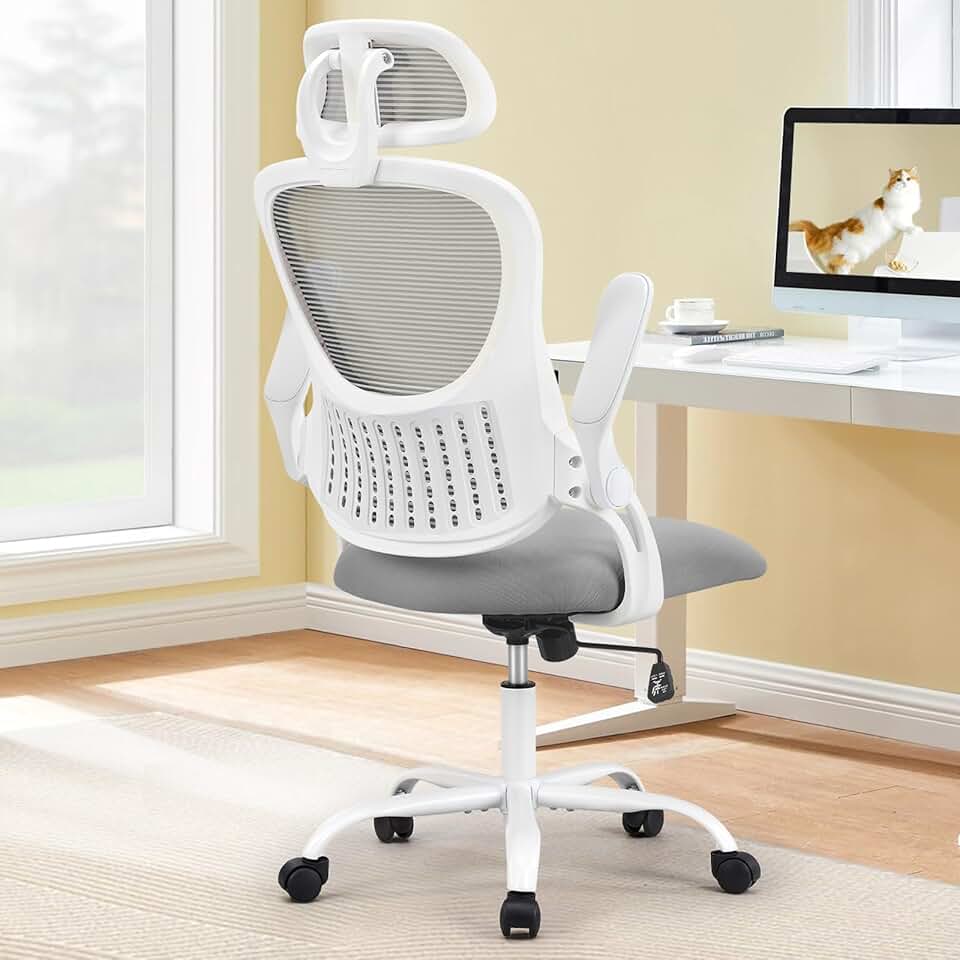
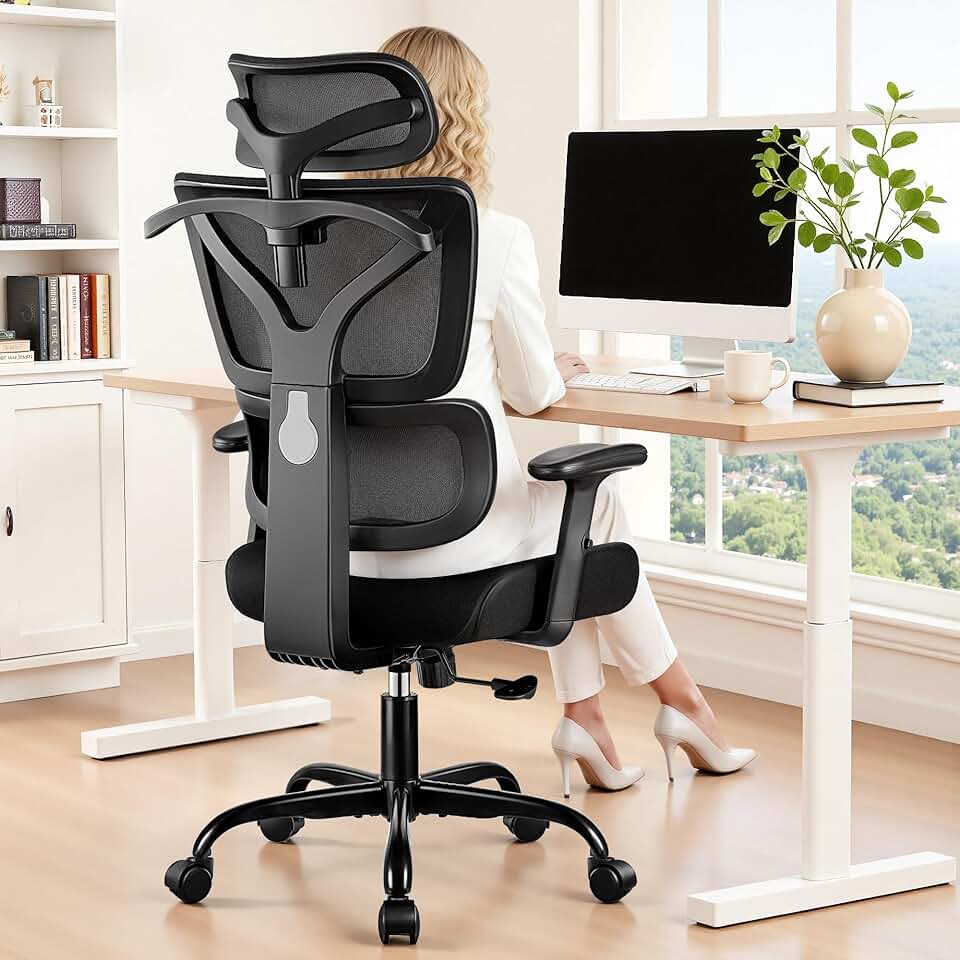
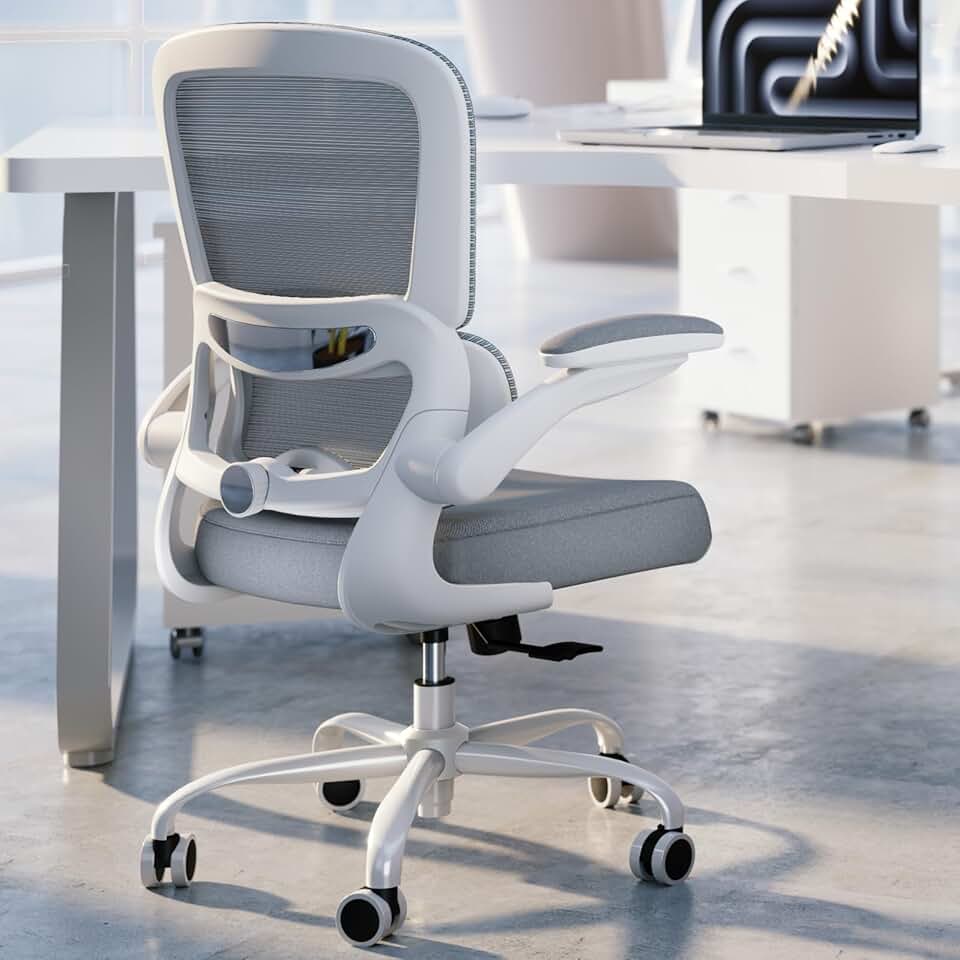
The TRALT sits on a 5-point metal base with silent rolling casters - a meaningful upgrade over the nylon bases that crack under 250-lb loads in chairs at the $100 price point. The mesh back and seat are stretched over a hard plastic frame, which is standard construction for this tier. There are no reports of frame failures as of early 2026, and the 2026 production date on the manufacturer site confirms active QC oversight. That said, the Newegg seller rating of 3.7 out of 5 is not a number you ignore. It does not necessarily mean the chair breaks, but it does suggest that at least some buyers had friction with the purchase or delivery experience. Buy directly from tralt-us.com rather than through Newegg's third-party NexusPoint listing to reduce that variable.
The 3.5-inch high-density foam cushion sits underneath the mesh seat surface, which is an unusual construction choice - most chairs in this range use mesh alone or foam alone. The result is a seat that absorbs impact without bottoming out, which is a real advantage for users over 200 lbs who have watched cheaper chairs go flat in 8 months.
Comfort & Ergonomics
The seat measures 20 inches wide by 17.3 inches deep, which fits users between 5'5" and 6'2" without leaving excess space that causes lateral sliding. Seat height adjusts from 18.5 to 21.3 inches, covering a standard range for that height band when paired with a desk at the 28-to-30-inch standard height.
The headrest is padded and described as spongy in YouTube walkthroughs, which matters because hard plastic headrests at this price are common and cause neck fatigue within 2 hours. The lumbar support knob on the chair back allows pressure adjustment without requiring the user to stand or reach awkwardly - a small feature that makes a measurable difference over an 8-hour session. The 90-to-120-degree recline gives you an upright working posture and a mild lean-back for reading or video calls, though it stops well short of the flat-recline positions some competitors allow.
Adjustability
The TRALT gives you five adjustment points: seat height, lumbar pressure, headrest position, recline angle (90-120 degrees), and armrest position (flip-up or down). The 360-degree swivel is continuous, not notched, so positioning is fluid. What you do not get is seat-depth adjustment, 4D armrests, or a tilt tension knob - all present on chairs like the Flexispot BS14 at $249. For $170, the five adjustment points cover the 80 percent of users who just need height, lumbar, and arm position sorted. If you customize obsessively, budget up.
Assembly
No detailed assembly time data exists in current documentation, but the 5-point base-plus-cylinder construction is industry-standard for this chair category and typically takes 20 to 30 minutes with the included hardware. The flip-up armrests are pre-attached to the seat shell in most comparable builds, meaning arm installation is usually the step most buyers skip past. No reports of missing hardware or misaligned components have surfaced in early 2026 coverage.
Value for Money
The $169.99 sale price positions TRALT in a bracket where you are making real trade-offs. You get a 330-lb capacity, a physical lumbar knob, flip-up arms, and a metal base - all real ergonomic hardware, not marketing language. You give up long-term durability confidence, a wide seller ecosystem, and peer-reviewed user data. The Sihoo M18 at approximately $180 adds a 135-degree recline and a more established review base. The Hbada E3 at $159 is $10 cheaper but caps at 250 lbs and lacks a lumbar adjustment knob. If your budget is fixed at $170 and you are within the target height and weight range, TRALT is a defensible purchase. If you can stretch $80 more, the Flexispot BS14 at $249 closes most of the durability gap.