Build Quality
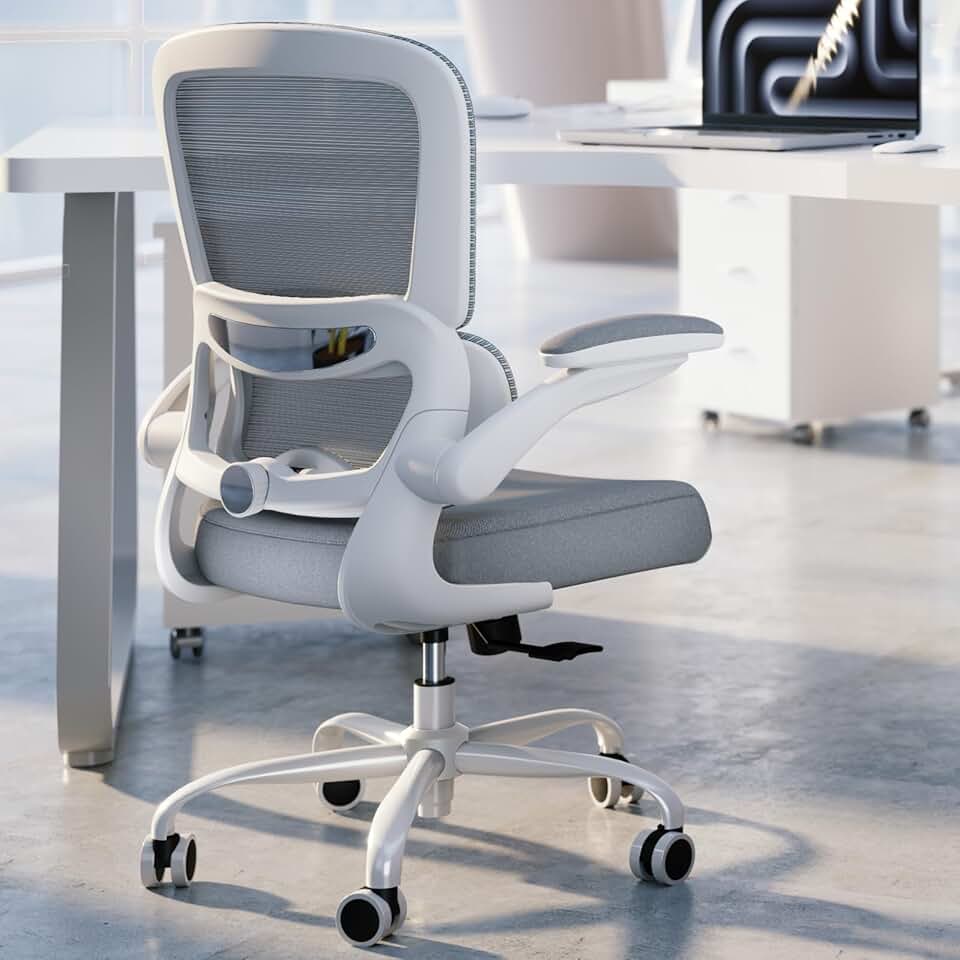
The TRALT YX001-P uses a five-point metal base, which immediately separates it from the wave of $99-$129 mesh chairs that use nylon or reinforced plastic bases rated for 250 lbs or less. The 330 lb capacity is rated for the full frame, not just the seat, and the manufacturer describes the seat cushion as high-density sponge rather than the thin foam common at this price point. Overall dimensions sit at 25.7 inches wide by 17.3 inches deep by 46.9 to 49.2 inches tall - a footprint that fits in most standard home office spaces without crowding a 60-inch desk.
The mesh back is the primary breathability feature, and it does what mesh is supposed to do: eliminate the heat buildup that kills productivity during 4-plus hour seated sessions. What the manufacturer does not tell you is whether the mesh is tensioned or stapled, and that distinction matters enormously for 2-year durability. Without independent teardown data, this remains an open question.
Comfort & Ergonomics
The adjustable lumbar support is the most practically useful feature on this chair. Positioned correctly, it sits in the L2-L4 region for users between 5'5" and 6'2", and the ability to adjust height - not just depth - is something you do not consistently find on chairs under $200. The 20-inch seat width accommodates most average adult builds without the pressure points that narrower 18-inch seats create during long sessions.
The 90-to-120-degree recline range is standard for ergonomic mesh chairs at this tier. It is enough to shift posture during a long afternoon but not enough to function as a nap chair - the FlexiSpot C7, which reclines to 135 degrees and retails around $299, owns that category. The TRALT headrest adjusts in both height and angle, which matters for users who alternate between monitor work and reading from a tablet.
For pregnancy use specifically: the chair does not recline forward, the seat pan does not tilt, and the 17.3-inch seat depth may compress the inner thigh for users in the second or third trimester. The 'pregnancy chair' designation on some retail listings appears to be a marketing tag referencing general lumbar and hip support, not clinical design for prenatal accommodation.
Adjustability
Six adjustment points total: seat height from 18.5 to 21.3 inches, headrest height and angle (two independent adjustments), backrest recline from 90 to 120 degrees, flip-up armrests (height-fixed, but removable from the seating equation entirely), and lumbar support position. The flip-up armrests are a genuine space-saving feature for users at corner desks or narrow workstations - most chairs in this price range have fixed armrests you work around rather than with.
What is missing: seat depth adjustment, seat pan tilt, and armrest width or pivot adjustment. The Autonomous ErgoChair Pro at $349 covers all five of those. The TRALT does not, and at $169 that is an acceptable trade-off for most users, but not for users with specific pelvic tilt or posture rehabilitation needs.
Assembly
No independent assembly time data exists for this model from verified 2025-2026 purchases. The manufacturer describes standard five-point base assembly with a gas cylinder, which typically runs 20-35 minutes for a moderately experienced assembler. The chair ships in one box. If this changes, it will show up in verified retailer reviews first.
Value for Money
At $139.99 to $169.99 from tralt-us.com or woodartsupply.com, the YX001-P lands in a competitive slot where most buyers are choosing between it, the Hbada E3 around $180, and budget Flexispot entries around $150. The metal base and 330 lb capacity give TRALT a structural edge over Hbada at similar pricing. The HON Ignition 2.0 at $280-$350 adds documented long-term durability and a better-tensioned mesh back, and for a chair you plan to use daily for 3-plus years, that premium is worth it. For a 1-2 year home office setup or a secondary workstation, the TRALT at sale pricing is a rational decision.