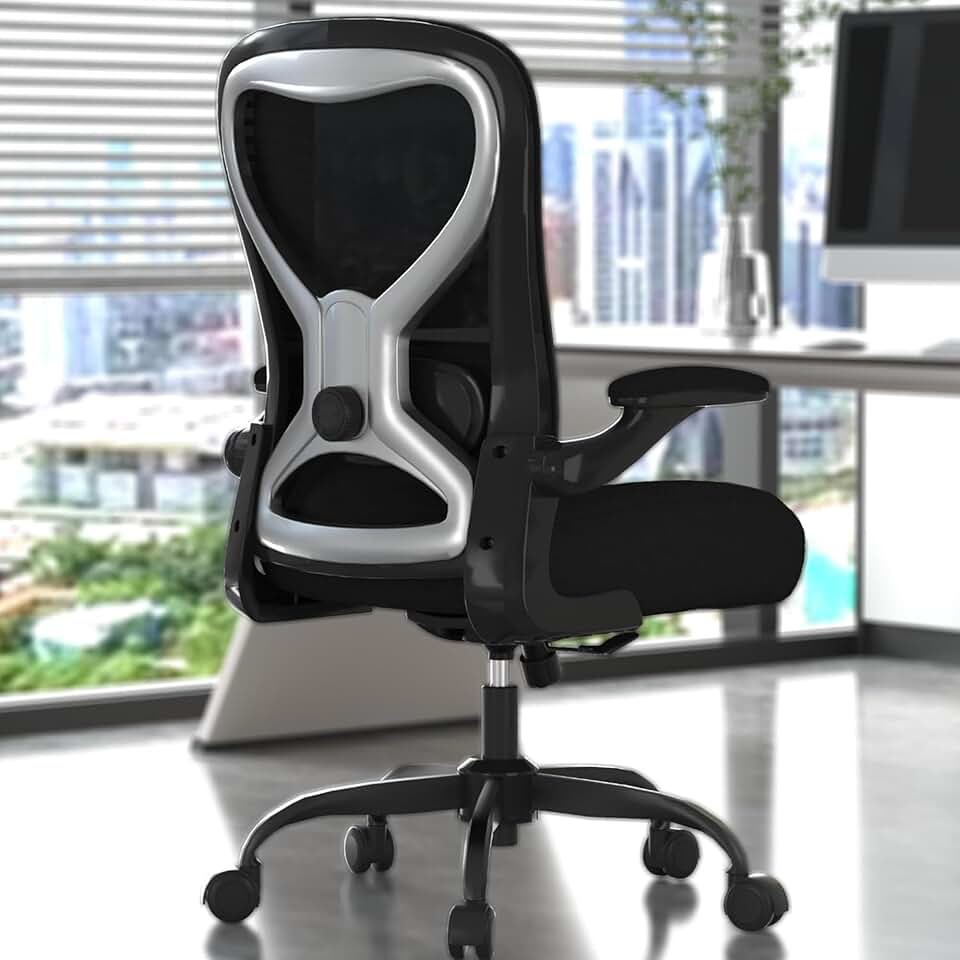
Office Chairs That Actually Help With Sciatica (2026 Tested & Ranked)
Medical disclaimer: This article is for informational purposes only and does not constitute medical advice. If you're experiencing sciatica symptoms, consult a qualified healthcare professional before making changes to your seating or workspace setup.
Sciatica is compression or irritation of the sciatic nerve - the longest nerve in the body, running from your lower spine through the buttocks and down each leg. The result: pain, numbness, or tingling that can range from mildly annoying to completely debilitating. Prolonged sitting is one of the primary aggravators, especially in chairs that tilt your pelvis backward, compress the piriformis muscle, or offer zero lumbar support. The right chair won't cure sciatica, but it can meaningfully reduce how much sitting makes it worse.
Quick Verdict
Short on time? Here's where each chair lands:
- Best overall: Herman Miller Aeron - benchmark ergonomics, unmatched adjustability
- Best value: Branch Ergonomic Chair Pro - serious lumbar support under $500
- Best for self-adjusting support: Humanscale Freedom - reclines without you touching anything
- Best for heavy users: ErgoX PRO (FLEXISPOT) - 551 lb capacity, tall back, strong lumbar
- Best budget mesh option: X100 AirComfort - solid sciatica-focused ergonomics around $400
- Best for chronic/severe sciatica: Anthros Chair - purpose-built for piriformis relief
- Skip it: Sihoo Doro C300 - fine chair, wrong tool for serious nerve pain
What Makes a Chair Good (or Bad) for Sciatica
Before getting into specific products, these are the three features that actually matter for sciatic nerve pain. Everything else is secondary.
Seat depth and tilt. A seat that's too deep forces you to either slouch or perch on the edge. You want adjustable seat depth - ideally 17" to 20" - so there's a 2 - 3 finger gap between the seat edge and the back of your knees. Seat tilt (the ability to angle the seat pan forward) takes pressure off the ischial tuberosities and reduces posterior pelvic tilt, which directly reduces sciatic nerve compression.
Lumbar support. Not all lumbar support is equal. A fixed foam bump positioned at the wrong height does nothing. You want height-adjustable lumbar - ideally with depth adjustment too - so it fits your specific lumbar curve. Dynamic lumbar (support that moves with you) is better still.
Seat material and firmness. Hard seats compress the piriformis muscle directly over the sciatic nerve. Mesh seats or contoured foam with pressure-relief zones distribute weight better. If you sit 6+ hours a day, this matters more than most people realize.
The 6 Best Office Chairs for Sciatica in 2026
1. Herman Miller Aeron - Best Overall
Price: ~$1,495 (Size B, fully loaded)
The Aeron has been the ergonomics benchmark for 30 years, and it still earns that position in 2026. The 8Z Pellicle mesh suspends your weight rather than compressing it, which is directly relevant for piriformis and sciatic nerve pressure. The PostureFit SL lumbar system supports both the sacrum and lumbar simultaneously - a distinction that matters when posterior pelvic tilt is a root cause of your sciatica.
It comes in three sizes (A, B, C), which is critical. Most chairs are one-size-fits-most; the Aeron is actually sized. The forward tilt option lets you open the hip angle beyond 90°, relieving pressure at the base of the spine.
Specs:
- Seat height: 16" - 20.5" (Size B)
- Seat depth: 15.75" - 17.75" (adjustable)
- Lumbar: PostureFit SL (sacral + lumbar, height-adjustable)
- Weight capacity: 350 lbs
- Armrests: 4D
- Warranty: 12 years
Pros:
- Mesh seat eliminates hotspots and piriformis compression
- PostureFit SL addresses sacral tilt - most chairs ignore this
- Three genuine size options - not just a height range
- Forward tilt reduces hip flexor and sciatic nerve strain
- 12-year warranty means it's a one-time purchase
Cons:
- $1,495 is a real number. Refurbished units from authorized dealers run $700 - $900 and are worth considering.
- Seat depth range (15.75" - 17.75") is narrower than some competitors - taller users may want Size C
- Takes 20 - 30 minutes to dial in properly; out of the box it won't feel right
Who it's for: Anyone who sits 7+ hours daily and wants the chair they'll never have to replace or upgrade.
2. Branch Ergonomic Chair Pro - Best Value
Price: ~$449
Branch has built a reputation for delivering near-premium ergonomics at mid-range prices, and the Pro model makes a strong case as the best value chair for sciatica sufferers in 2026. The lumbar support is height- and depth-adjustable - both, which is rarer than it should be at this price. The seat depth adjusts from 15.5" to 18.5", which covers a wide range of body types.
The woven mesh back is breathable without the firmness complaints that plague some cheaper mesh chairs. Armrests are 4D. The recline has 5 lockable positions with adjustable tension.
Specs:
- Seat height: 17" - 21"
- Seat depth: 15.5" - 18.5" (adjustable)
- Lumbar: Height + depth adjustable
- Weight capacity: 300 lbs
- Armrests: 4D
- Warranty: 5 years
Pros:
- Lumbar adjusts in both height and depth under $500 - genuinely unusual
- Seat depth range covers most body types
- Clean, neutral aesthetic that works in home offices
- 5-year warranty is solid at this price tier
Cons:
- 300 lb weight capacity is on the lower side
- Seat cushion is foam, not mesh - warmer in summer
- No forward tilt option
Who it's for: Remote workers spending their own money who need legitimate ergonomic adjustability without Aeron pricing.
3. Humanscale Freedom Chair - Best for Self-Adjusting Support
Price: $1,400
The Freedom Chair takes a different philosophical approach: instead of asking you to manually configure 12 settings, it uses counterbalanced recline mechanics that automatically adjust resistance based on your body weight. Recline forward or back and the chair moves with you - no levers, no knobs.
For sciatica sufferers who shift postures frequently (as they should), this matters. You're not fighting the chair every time you change position. The lumbar support is integrated into the back and follows you through recline. Seat height ranges from 45 - 54cm (approximately 17.7" - 21.3"). Seat depth is fixed at 47cm (18.5"), which is adequate for most users but worth measuring against your own sit bone-to-knee measurement.
Specs:
- Seat height: 45 - 54cm (~17.7" - 21.3")
- Seat depth: 47cm (18.5", fixed)
- Lumbar: Auto-adjusting, integrated
- Weight capacity: 160kg (352 lbs)
- Recline: Automatic counterbalance
- Warranty: 15 years (mechanism), lifetime (frame)
Pros:
- Zero-effort recline means you actually use it - most people never touch manual recline levers
- Lifetime frame warranty
- Genuinely comfortable for long sessions without constant fidgeting
- Available in textile or leather; chrome-free leather option for sensitive users
Cons:
- Fixed seat depth is a real limitation for very tall or very short users
- No forward tilt
- At $1,400, you're paying for the mechanism - the lumbar isn't as targeted as the Aeron's PostureFit SL
- Auto-adjust is calibrated to body weight; lighter users (~120 lbs) report the recline feeling too stiff
Who it's for: People who want premium comfort with minimal adjustment, especially those who shift postures constantly throughout the day.
4. ErgoX PRO (FLEXISPOT) - Best for Heavy Users
Price: ~$500 - $600
If you're over 250 lbs, most chairs in this article aren't rated for sustained heavy use. The ErgoX PRO's 551 lb weight capacity is the standout spec here - and it's not just structural padding. The tall mesh back supports the full thoracic and lumbar spine, and the lumbar support is substantial in both height and depth. Armrests are adjustable. Seat height and depth both adjust.
At $500 - $600, this is the value play for larger users who need real ergonomic support without spending $1,500.
Specs:
- Seat height: Adjustable (range not published; confirm with manufacturer)
- Lumbar: Height + depth adjustable
- Weight capacity: 551 lbs
- Back: Tall mesh
- Armrests: Adjustable
- Warranty: Check with FLEXISPOT directly - typically 5 years
Pros:
- 551 lb capacity - no other chair on this list comes close
- Tall back provides thoracic support that most chairs ignore
- Legitimate lumbar adjustment at a mid-range price
- Mesh back stays cooler than foam for larger users
Cons:
- Exact seat depth range not publicly listed - contact FLEXISPOT before buying if this is critical for you
- Aesthetic is utilitarian; not a premium-looking chair
- Lumbar doesn't auto-adjust - requires manual setup
Who it's for: Users over 250 lbs who've been told chairs in this category aren't built for them.
5. X100 AirComfort - Best Budget Pick for Sciatica
Price: ~$350 - $450
The X100 AirComfort doesn't have the brand recognition of Herman Miller or Humanscale, but for sciatica-specific features at this price, it punches above its weight. The lumbar is precise and pronounced - not a vague foam bump. The tall mesh back, recline function with footrest, and seat height adjustment give you meaningful posture control for under $450.
Experts reviewing it in early 2026 specifically called out its "sciatica-focused ergonomics" and noted "strong relief for lower-back and nerve-related pain" with proper setup.
Specs:
- Seat height: Adjustable
- Lumbar: Height-adjustable, pronounced
- Back: Tall mesh
- Recline: Yes, with footrest
- Weight capacity: Not specified - contact retailer if over 220 lbs
Pros:
- Purpose-minded lumbar for nerve pain at sub-$450 price
- Footrest + recline combo supports multiple working postures
- Tall mesh back for full spinal support
- Strong value proposition for the features offered
Cons:
- Weight capacity unspecified - a real gap in the product data
- Brand support infrastructure is thinner than established names
- Setup requires patience; improperly configured, the lumbar can actually aggravate symptoms
- Mesh may feel firm for the first 2 - 3 weeks
Who it's for: Budget-conscious buyers with mild-to-moderate sciatica who are willing to spend time on proper chair setup.
6. Anthros Chair - Best for Chronic or Severe Sciatica
Price: ~$1,000 - $1,500
The Anthros is the only chair on this list designed from the ground up with sciatica in mind. Specifically, it targets piriformis pressure - the muscle that often compresses the sciatic nerve when you sit. Most ergonomic chairs are designed for general back health; the Anthros addresses the specific anatomical mechanism behind the most common form of sciatica.
The pressure-relief seat design distributes sitting load away from the piriformis and ischial region. Lumbar support focuses on maintaining natural spinal alignment rather than pushing aggressively into the lumbar curve. It's not the most feature-rich chair mechanically, but its design intent is narrow and serious.
Specs:
- Lumbar: Pressure-relief alignment design
- Seat: Piriformis pressure-relief contoured design
- Price: ~$1,000 - $1,500 (varies by configuration)
- Weight capacity: Not publicly specified
Pros:
- The only chair on this list purpose-built for sciatic nerve pain specifically
- Addresses piriformis compression, which generic ergonomic chairs don't
- Backed by clinical positioning research
- Worth the cost if you've tried conventional ergonomic chairs and still have pain
Cons:
- Fewer mechanical adjustments than the Aeron at similar pricing
- Limited retailer availability - primarily direct purchase
- Design is polarizing aesthetically
- Weight capacity and detailed specs are not prominently published
Who it's for: Anyone with diagnosed sciatica who has tried standard ergonomic chairs and needs something specifically engineered for nerve compression relief.
One Chair to Avoid for Sciatica
Sihoo Doro C300 (~$430): The Doro C300 is a decent everyday mesh chair. It's not a bad chair. But at $430, you're paying for comfort and aesthetics - not sciatic nerve relief. The lumbar is standard mesh without meaningful height or depth adjustment. There's no forward tilt. The seat pan isn't designed around pressure distribution at the piriformis. For general back comfort or occasional use, it's fine. For sciatica, you can spend the same money on the X100 AirComfort and get substantially better targeted support. Recommending the Sihoo for sciatica is a mismatch between the product and the problem.
How to Choose the Right Chair for Your Sciatica
Match the chair to your body dimensions first
Most sciatica problems at a desk come down to fit, not brand. Measure your sit bone-to-floor height (seat height), sit bone-to-knee distance (seat depth), and your natural lumbar curve location. A $400 chair that fits your body will outperform a $1,400 chair that doesn't.
Prioritize adjustability over features
A footrest you can't position correctly is useless. A lumbar pad at the wrong height makes pain worse. Prioritize chairs with genuine lumbar height adjustment and seat depth adjustment above all else. 4D armrests and headrests are secondary.
Budget guidance
- Under $500: X100 AirComfort or Branch Ergonomic Pro. Both offer legitimate sciatica-relevant adjustability.
- $500 - $800: ErgoX PRO for larger users; Flexispot C7 Morpher ($750) if lumbar depth is your primary concern.
- $1,000+: Herman Miller Aeron or Humanscale Freedom for all-day use. Anthros if you have diagnosed sciatica that hasn't responded to standard ergonomic chairs.
Don't ignore setup
Every expert review of chairs in this category - including the ErgoX and X100 - notes that improper setup negates the ergonomic benefit. Budget 20 - 30 minutes on day one to configure seat height, lumbar position, and armrests correctly. Your feet should be flat on the floor. Your knees should be at or slightly below hip level. The lumbar support should contact your lower back without pushing your spine forward.
Try before you buy when possible
Herman Miller, Humanscale, and Branch all have showrooms or retail partners in major cities. For a purchase in the $500 - $1,500 range, sitting in the chair for 15 minutes is worth the trip. Return policies vary significantly - Branch offers 30 days, Herman Miller 30 days, Humanscale's varies by retailer.