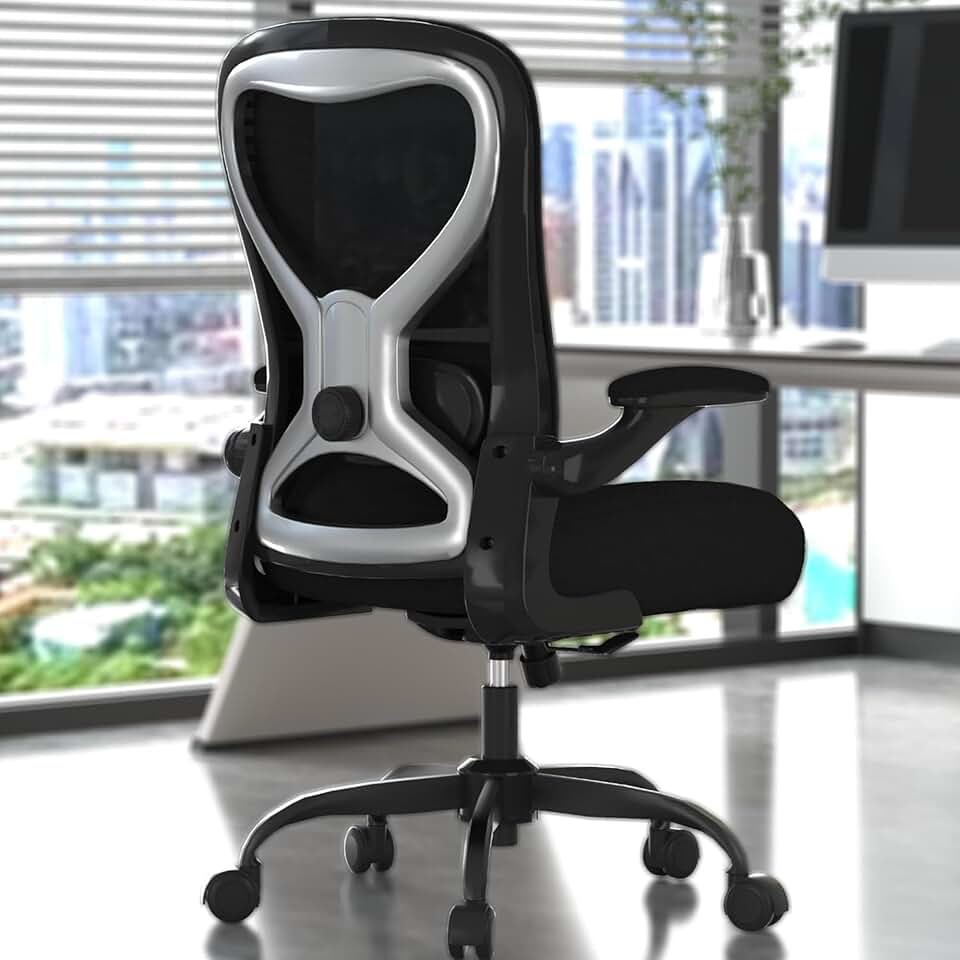
Best Cross Legged Office Chair Picks for 2026
If you spend hours tucking one leg under the other at your desk, you already know that most office chairs were not built with you in mind. Narrow seats, slippery materials, and armrests that jut forward in all the wrong places can make cross-legged sitting feel like a constant battle. The good news is that a handful of well-designed chairs genuinely support this posture, and we have done the homework to find them.
Below you will find our top picks for 2026, a breakdown of the specs that actually matter, and honest guidance on what to look for before you buy. Whether you have a tight budget or are ready to invest in something premium, there is an option here for you.
Why Cross Legged Sitting Demands a Different Kind of Chair
Most ergonomic chairs are engineered around a very specific posture - feet flat on the floor, knees at 90 degrees, back firmly against the lumbar support. That setup works great for millions of people, but cross-legged sitters do not fit that mold.
When you tuck your legs, a few things change immediately:
- Your seat height requirement drops, since your feet are no longer touching the floor as a reference point
- Your weight distribution shifts toward your hips and the outer edges of your thighs
- You need more horizontal space so your knees are not hanging off the front or sides of the seat
- Armrest position becomes critical - arms that sit too far forward will block your knees from folding in naturally
Understanding these needs makes it much easier to shop smart.
The Minimum Seat Width You Need - 20 Inches
This is the single most important spec when shopping for a cross legged office chair. A minimum seat width of 20 inches (approximately 51 cm) is strongly recommended. Anything narrower and your legs will feel cramped or start slipping off the sides, especially after a long session.
Seat depth is the second dimension to watch. A range of 45.5 to 50 cm (roughly 18 to 20 inches) of adjustable seat depth gives you room to shift your legs forward or tuck them in without losing back support.
Expert tip - If a chair lists only a single fixed seat depth and it falls under 18 inches, keep looking. Adjustable seat depth is almost always worth the extra cost for cross-legged sitters.
Seat Material - Why This Matters More Than You Think
The surface you are sitting on has a huge impact on whether cross-legged sitting stays comfortable over time.
| Material |
Cross-Legged Verdict |
Why |
| Fabric / Upholstery |
Best |
Grips clothing, stays put, comfortable against skin |
| Chenille Hybrid Mesh |
Very Good |
Soft texture provides traction without trapping heat |
| Standard Mesh |
Avoid |
Can press uncomfortably against bare skin or thin fabric |
| Leather |
Avoid |
Slippery surface causes constant position slippage |
| Vinyl / Faux Leather |
Avoid |
Same slippage issues as leather, can also get sticky |
The pattern is clear - you want a surface with natural grip. Fabric and soft hybrid materials keep you anchored in your chosen position so you are not readjusting every few minutes.
Our Top Cross Legged Office Chair Picks for 2026
1 - Eurotech Vera Office Chair - Best Overall Under $500
Price - $499.99
The Eurotech Vera consistently earns its place at the top of this list. It was designed with a notably wide, open seat area and - crucially - the armrests are positioned far back on the seat base. That rear-set arm design means your knees have a clear path to fold inward without bumping into anything.
Key specs at a glance:
- Seat width - approximately 21 inches
- Seat depth adjustment - included
- Armrests - 3D adjustable, positioned toward the rear of the seat
- Back support - flexible mesh with lumbar
- Weight capacity - 250 lbs
The upholstered seat cushion offers excellent grip, and the overall build quality feels solid for the price point. If your budget tops out around $500, this is the chair to beat.
Expert tip - When the Vera arrives, adjust the armrests all the way back and out before you sit down for the first time. This immediately opens up the seat area for cross-legged positioning.
2 - BTOD Akir Office Chair - Best Comfort and Seat Depth
Price - $579 (or $655 with headrest)
The BTOD Akir is a standout because it offers one of the most genuinely comfortable seats in this price range. The dimensions are generous, making it one of the most tested and praised chairs specifically for cross-legged sitters in real office environments.
Key specs at a glance:
- Seat width - 21+ inches
- Seat depth - adjustable with above-average range
- Armrests - 4D adjustable
- Lumbar - adjustable height and depth
- Weight capacity - 275 lbs
The Akir sits on the higher end of the mid-range budget, but the extra investment shows in the seat foam quality and the range of adjustability. People who spend 8 or more hours at a desk regularly report that this chair holds up well without causing pressure points along the outer thighs - a common complaint with cross-legged sitting in narrower chairs.
The optional headrest ($655) is worth considering if you like to lean back during breaks.
3 - Herman Miller Sayl - Best Premium Option
Price - $685
The Herman Miller Sayl is a design icon that also happens to perform excellently for cross-legged sitters. Its fully adjustable arms can be moved far out of the way, the seat depth adjusts smoothly, and the flexible back moves with you whether you are sitting upright or reclining.
Key specs at a glance:
- Seat width - approximately 20.5 inches
- Seat depth - adjustable
- Armrests - fully adjustable (height, width, angle, depth)
- Back - suspension design that flexes dynamically
- Weight capacity - 350 lbs
The Sayl is regularly used by people who sit cross-legged throughout the workday, and it earns praise for accommodating multiple sitting positions rather than locking you into just one. The suspension back design is particularly forgiving when your weight distribution shifts as you change leg positions.
At $685 it is a significant investment, but Herman Miller chairs are built to last a decade or more, which makes the per-year cost more reasonable than it might first appear.
Expert tip - The Sayl's arm pads can be pivoted inward or outward. Cross-legged sitters should pivot them outward and drop them to their lowest height setting for maximum leg clearance.
4 - Boulies OP180 - Best Budget Pick
Price - $200 to $300
Not everyone needs to spend $500-plus to get a chair that works for cross-legged sitting, and the Boulies OP180 proves that point. It features an extra-spacious seat with an adjustable depth range of 45.5 to 50 cm, which sits right in the sweet spot for tucked-leg comfort.
Key specs at a glance:
- Seat width - 21+ inches
- Seat depth - adjustable, 45.5 to 50 cm
- Armrests - 6-way adjustable
- Seat cushion - rounded-edge design with tailored upholstery
- Weight capacity - 250 lbs
The rounded-edge cushion design deserves a specific mention. Sharp front edges are a real problem for cross-legged sitters because they create pressure points on the underside of the elevated knee. The OP180's softer edge profile reduces that friction considerably.
Users who work 8-hour days report minimal back discomfort, which is impressive at this price point. The 6-way armrests also give you a solid range of customization without paying premium prices.
What to Look For When Buying a Cross Legged Office Chair
Not every chair in this list will be available everywhere, and you may find yourself comparing alternatives. Here is a quick checklist to evaluate any chair you are considering.
Seat Dimensions - The Starting Point
- Minimum 20 inches wide - non-negotiable for comfortable cross-legged sitting
- Adjustable depth of at least 18 to 20 inches - gives you room to adapt as your position changes
- Rounded or waterfall front edge - reduces pressure on the elevated knee
Armrest Design
Armrests are often overlooked but they can make or break cross-legged comfort. Look for:
- Adjustable width so you can push them outward
- Rear-mounted arms or arms that can retract toward the back of the seat
- Height adjustment so arms sit below your tucked knee level when needed
- 4D or 6-way adjustability gives you the most flexibility
Back Support That Moves With You
Cross-legged sitting shifts your pelvis and lower spine compared to standard seated posture. A rigid lumbar support can actually feel worse in this position. Look for:
- Adjustable lumbar height so you can reposition it to suit your shifted posture
- Flexible or suspension back panels that move with you
- Recline capability for variety throughout the day
Material and Build
- Fabric upholstery or soft hybrid mesh for grip and comfort
- Avoid mesh, leather, and vinyl seat surfaces
- High weight capacity if relevant - cross-legged sitting concentrates weight differently
Armrests vs No Armrests - The Real Answer
A common piece of advice floating around online suggests that cross-legged sitters should look for armrest-free chairs. This is actually not the best guidance. Properly adjusted armrests are a benefit, not a hindrance.
Here is why - when you are not sitting cross-legged (during calls, typing intensive sessions, or breaks), armrests provide real ergonomic support for your shoulders and neck. Removing them entirely to solve a positioning problem throws away a genuine benefit.
The real answer is to find a chair with armrests that are designed or adjustable enough to stay out of the way when your legs are tucked. All four chairs in our top picks achieve this.
Health Considerations for Cross Legged Sitting
While this article focuses on finding the right chair rather than evaluating the posture itself, a few practical points are worth noting for anyone who sits cross-legged regularly.
Vary your position throughout the day. Even in the most supportive chair, holding any single posture for hours without movement is not ideal. Set a reminder to uncross your legs, stand briefly, or shift to a more neutral position every 45 to 60 minutes.
Seat height matters more than usual. When your feet leave the floor, you lose a natural reference point for positioning your hips. Experiment with seat height until your hips feel level and not tilted forward excessively.
Cushion firmness affects circulation. Very soft cushions may feel comfortable at first but can compress unevenly under the concentrated weight of crossed legs, potentially affecting circulation in the lower legs over long sessions. Medium-firm cushions tend to perform better over extended periods.
Expert tip - If you notice tingling or numbness in your feet or lower legs during cross-legged sitting, take it as a clear signal to change position immediately. A good chair helps you stay comfortable longer, but no chair eliminates the need for movement entirely.
If you are still exploring your options, these related guides on office chairs and ergonomic office chairs cover a broader range of seating styles and budgets that may help you narrow down your decision.
Final Thoughts
Finding a great cross legged office chair comes down to three things - a wide enough seat, the right material, and armrests that actually cooperate with your body rather than fighting it.
For most people, the Eurotech Vera at $499.99 hits the best balance of price and performance. If you want maximum comfort for long days and have a slightly higher budget, the BTOD Akir at $579 is hard to beat. Those investing in a long-term solution will find the Herman Miller Sayl at $685 worth every dollar. And if you are working with a tighter budget, the Boulies OP180 at $200 to $300 delivers real value without major compromises.
Whichever direction you go, prioritize seat width above everything else. A chair that gives your legs room to breathe makes all the difference between a posture you can maintain comfortably and one that has you fidgeting and readjusting every 20 minutes.