How long do office chairs last? Budget models last 1-5 years, mid-range 5-8, and premium ergonomic chairs 7-15+ years. See our full breakdown with cost analysis.
Products Mentioned
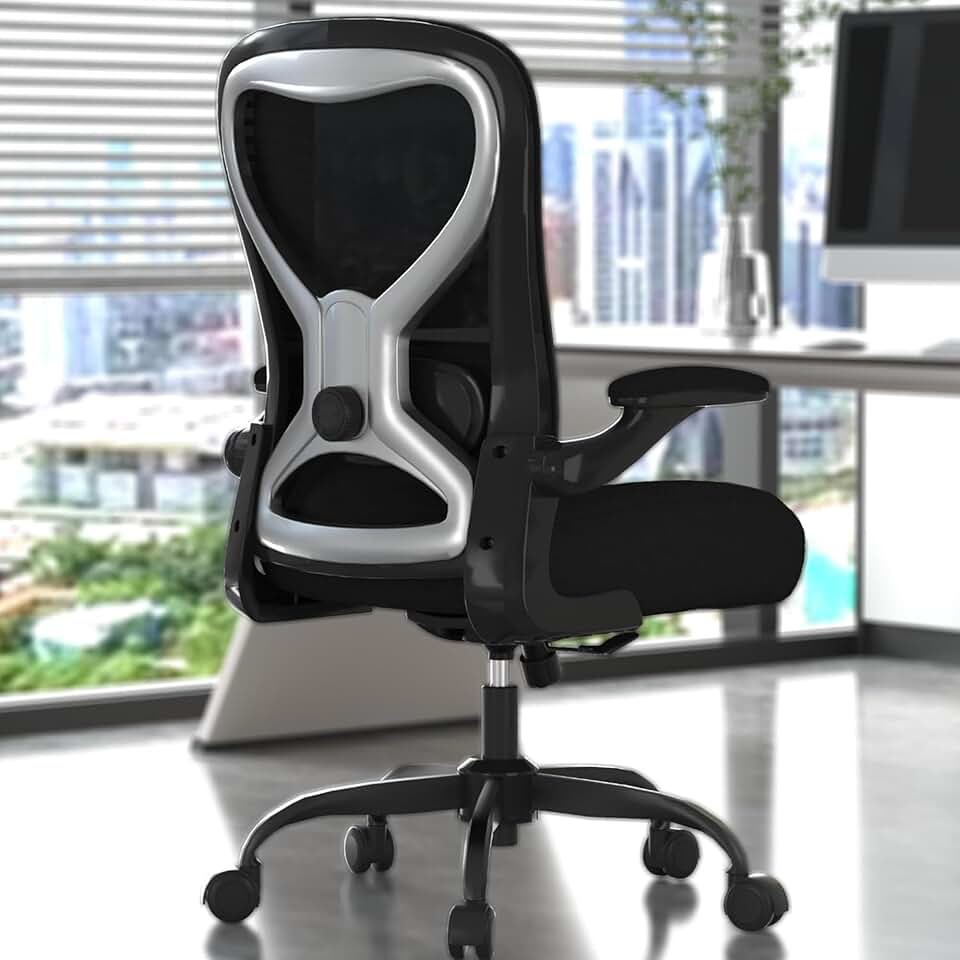
Office Desk Chair
Solid $90 ergonomics for 6-hour days - nothing more, nothing less
As an Amazon Associate, we earn from qualifying purchases.
How Long Do Office Chairs Last - The 2026 Guide
If you've ever sat down in an office chair that creaks, sags, or just feels like it's slowly swallowing you whole, you already know the answer instinctively - not long enough. But the full picture is more nuanced than that.
Office chairs typically last anywhere from 1 to 15 years, and in some exceptional cases, even longer. That's a huge range, and the difference comes down to a handful of factors - price, build quality, how many hours a day you're sitting, your body weight, and how well you maintain the chair over time.
In this guide, we break down exactly what you can expect from chairs at every price point, what warning signs tell you it's time to replace yours, how warranties reflect real-world durability, and whether spending more money upfront actually saves you money in the long run (spoiler - it often does).
How Long Do Office Chairs Last by Price Range
The single biggest predictor of how long an office chair will last is how much you paid for it. Higher prices generally mean better materials, stronger mechanisms, more rigorous weight and durability testing, and more meaningful warranties.
Here's what you can realistically expect across the main price tiers in 2026:
Budget chairs are the most popular category by unit sales, and also the most frequently replaced. The foam compresses faster, the plastic armrests crack, the caster wheels seize up, and the gas cylinder starts drifting within a year or two of regular use.
That said, "budget" covers a wide spectrum. A $60 Amazon basics chair might last 12 to 18 months under daily use. A well-made $300 task chair from a reputable brand can sometimes push 5 years or even a little beyond with proper care.
Budget chairs also tend to carry the lowest weight ratings - often capped at 200 to 250 lbs - which accelerates wear for users near or above those limits.
Expert tip - If you're buying a budget chair and plan to use it daily, check the weight rating carefully and lean toward the upper end of the price range in this category. A $250 chair with a 5-year warranty is a meaningfully different product from a $79 chair with no warranty at all.
Mid-Range Office Chairs - The $400 to $800 Sweet Spot
This is where things get genuinely usable for long-term daily work. Mid-range chairs use better foam densities, more durable fabric or mesh, and properly engineered tilt mechanisms that hold up over years of regular adjustment.
You can reasonably expect 5 to 8 years from a quality mid-range chair used 8 hours a day, 5 days a week. Brands like Sihoo, ErgoTune, and Desky offer chairs in this range that, when used correctly and maintained, can stretch to 7 to 10 years.
The Desky Evoque, for example, is rated for a 7 to 10 year lifespan and comes with a warranty that backs that claim up. For around $500 to $650, that works out to a comfortable cost-per-year number we'll dig into further below.
Premium Ergonomic Chairs - The Long Game Over $800
Premium chairs are built differently in almost every measurable way. The foam is denser and more resilient. The mesh (where used) is tested across tens of thousands of flex cycles. The mechanisms are engineered with tolerances that maintain function for decades, not years.
Top-tier chairs in this category can genuinely last 12 to 20 years. There are well-documented cases of chairs sold 20 years after their original purchase still functioning as intended - a stat that sounds implausible until you sit in one and feel the difference.
Specific examples from 2026 pricing and specifications:
Vera (premium ergonomic, approximately $550 - $700) - Expected lifespan of 5 to 8 years, with foam and fabric coverage for 5 years and a weight rating up to 275 lbs
Air (high-end ergonomic, approximately $1,000+) - 12+ year lifespan documented, with a 12-year warranty covering parts and mechanisms, and similarly rated to 275 lbs and extended daily use
For heavy users or anyone sitting more than 8 hours daily, the premium tier isn't just a luxury - it's a practical decision. Cheap chairs fail faster under heavy use, while premium chairs are specifically tested for exactly those conditions.
Featured
Office Desk Chair
Solid $90 ergonomics for 6-hour days - nothing more, nothing less
Here's a consolidated reference for specific chair brands and models commonly discussed in 2026, with expected lifespans and warranty coverage:
Brand or Model
Price Range
Expected Lifespan
Warranty
Generic budget chairs
Under $150
1 - 3 years
0 - 1 year
Sihoo ergonomic models
$200 - $500
3 - 7 years
1 - 3 years
ErgoTune Supreme
$400 - $600
7 - 10 years
10 years (selected components)
Desky Evoque
$500 - $650
7 - 10 years
Multiple years
Vera (premium)
$550 - $700
5 - 8 years
5 years (foam and fabric)
Air (high-end)
$1,000+
12 - 20+ years
12 years
Commercial brands via Office Furniture Plus, BAFCO
$600 - $1,500
7 - 15 years
5 - 10 years
The warranty duration is one of the most honest signals a brand can give you about how long they expect their chair to last. A brand offering a 12-year warranty is telling you, in legal writing, that they expect the chair to hold up for at least that long under normal use. A brand with a 90-day warranty is telling you something very different.
Warning Signs - When to Replace Your Office Chair
Even within a chair's expected lifespan, there are clear signals that it's time to let go. Most people hold on too long because buying a new chair feels like a big decision - but sitting in a failing chair can genuinely cause back pain, posture problems, and reduced productivity.
Watch for these signs:
Physical Wear and Structural Issues
Fabric or mesh fraying, tearing, or pilling - Once structural integrity is compromised, comfort and support decline quickly
Armrests cracking or wobbling - Usually a sign the plastic has become brittle from age and UV exposure
Visible foam sagging or flattening - If your sitting position looks lower than it used to, the foam has lost its density and will no longer provide proper support
Squeaking, clicking, or creaking sounds - Often indicates worn internal mechanisms, dry pivot points, or micro-fractures in plastic components
Functional Problems
Height adjustment drifting down - A gas cylinder losing pressure is one of the most common mid-life failures in office chairs
Tilt mechanism not locking properly - If the chair rocks when you don't want it to, the tilt mechanism is failing
Caster wheels not rolling smoothly or breaking - Casters can sometimes be replaced independently, so check whether that's an option before replacing the whole chair
Wobbling or instability in the base - This is a safety issue and should trigger immediate replacement
Comfort and Support Decline
Lower back pain that clears up when you use a different chair - A strong sign your lumbar support has given out
Numbness or pressure in the thighs - Seat pan foam failing to distribute weight properly
Feeling like you're sitting lower than expected - Cumulative foam compression reducing effective seat height
Expert tip - The average recommendation from ergonomics professionals and commercial furniture suppliers is to replace your office chair every 7 to 8 years, regardless of visible condition. Internal foam and mechanism wear isn't always obvious from the outside.
Ergonomic Office Chair
Solid $189 starting point - not your forever chair
The Real Cost of an Office Chair - Cost Per Year Analysis
This is where the math gets interesting, and where a lot of buyers change their minds about what "expensive" really means.
If you divide the purchase price of a chair by its minimum expected lifespan, you get a daily or annual cost that tells a very different story than the sticker price.
Chair Type
Purchase Price
Minimum Lifespan
Cost Per Year
Cheap budget chair
$150
2 years
$75/year
Mid-budget chair
$400
5 years
$80/year
Vera (mid-premium)
$625
5 years
$125/year
Air (high-end)
$1,000
12 years
$83/year
Air (optimistic lifespan)
$1,000
20 years
$50/year
The takeaway here is striking. A $1,000 premium chair used for 12 to 20 years costs roughly the same per year as a $400 mid-range chair - and significantly less than cycling through multiple cheap chairs over the same period.
When you factor in the cost of replacement purchases, the hassle of setup, and the potential health costs of sitting in a poorly supporting chair, the premium option often wins on pure economics - not just comfort.
Expert tip - If you work from home or spend more than 6 hours a day seated, calculating cost per year is the most honest way to evaluate a chair purchase. The upfront price of a premium chair can feel shocking, but spread over a decade, it's often one of the most cost-effective investments in your workspace.
Warranty Comparison - What Brands Are Actually Promising
Warranties are a useful proxy for manufacturer confidence. Here's how they break down across the market in 2026:
Category
Warranty Duration
Weight Rating
Notes
Cheap and budget chairs
0 - 1 year
200 - 250 lbs
Often excludes foam and fabric entirely
Mid-range chairs
2 - 5 years
250 - 275 lbs
Covers mechanisms; may exclude upholstery
Premium ergonomic (Vera)
5 years (foam and fabric)
275 lbs
Full chair coverage, 8-hour daily use rated
High-end ergonomic (Air)
12 years
275 lbs
Most comprehensive coverage in consumer market
Commercial contract furniture
5 - 10 years
275 - 400 lbs
Built for multi-shift office environments
One thing to watch for - some warranties sound generous but exclude the components most likely to fail. A "lifetime warranty" that only covers the frame but not the foam, casters, or gas cylinder isn't as reassuring as it sounds. Always read the specific coverage terms before factoring the warranty into your purchase decision.
ELABEST X100 Mesh Chair with Footrest
17-point adjustability and a footrest at $320 - finally a tall-person chair that delivers
Factors That Affect How Long Your Office Chair Lasts
Even within a given price tier, individual lifespans vary enormously based on real-world usage conditions.
Daily Use Hours
Most office chairs are rated and tested for 8 hours of daily use. If you're sitting 10, 12, or 14 hours a day, you're using the chair outside its design parameters - and it will wear faster. Premium chairs are more likely to be tested for extended-hour use; always check the specification sheet.
User Weight
Weight ratings exist for a reason. A chair rated to 250 lbs used regularly by someone weighing 280 lbs will experience accelerated wear across every component - foam, casters, mechanisms, and the base. If you're near or above a chair's weight rating, either go heavier-duty or expect a shorter lifespan.
Maintenance and Cleaning
Regular maintenance meaningfully extends chair life. Practical habits that help:
Wipe down armrests and seat surfaces weekly to prevent material degradation from sweat and oils
Clean caster wheels every few months to remove hair, dust, and debris that causes rolling resistance and bearing wear
Apply a small amount of silicone lubricant to tilt mechanism pivot points annually
Check and tighten any visible bolts every 6 to 12 months, particularly on armrest connections
Flooring Type
Hard floors are harder on casters than carpet. If you're on hardwood or tile, consider chair casters specifically designed for hard floors - they roll more smoothly and last longer on those surfaces. Standard carpet casters on hard floors wear out and scratch much faster.
Environment
Chairs in sunlit rooms fade and degrade faster, particularly mesh and fabric models. Direct UV exposure degrades plastics and upholstery over time. Temperature and humidity extremes in non-climate-controlled spaces can also shorten lifespan.
Not every problem means you need a new chair. Some common failures are genuinely DIY-fixable:
Gas cylinder replacement - A $15 to $40 part that takes about 20 minutes to swap out, fixes a chair that slowly sinks
Caster wheel replacement - Usually $10 to $30 for a set of five; most casters use a standard stem size
Armrest pad replacement - Available for many popular models for $20 to $50
Lumbar support cushion - A $30 to $80 add-on can temporarily restore support when the chair's built-in lumbar has softened
Where repair stops making sense is when the core structure is compromised - cracked base spokes, failing tilt mechanisms on cheap chairs where parts aren't available, or foam that's compressed beyond recovery. At that point, the economics of replacement usually win.
Expert tip - Before replacing a chair with a failing gas cylinder or worn casters, check whether replacement parts are available for your specific model. For premium brands like those in the best ergonomic office chairs category, replacement parts are often sold directly by the manufacturer.
Office Desk Chair
Sub-$100 seating for shorter frames - honest about its limits
Budget chairs (under $400) - Expect 1 to 5 years; replace when discomfort or mechanism failure appears
Mid-range chairs ($400 to $800) - Expect 5 to 8 years with standard daily use
Premium chairs (over $800) - Expect 7 to 15 years, sometimes significantly more
Average replacement recommendation - Every 7 to 8 years, regardless of price tier
Best value per year - Premium chairs often match or beat cheaper alternatives on a cost-per-year basis
Warranty as a trust signal - Longer warranties correlate strongly with real-world durability
If you're shopping for your next chair and want to see how specific models compare on durability, adjustability, and long-term value, check out our guides to the best office chairs under $500 and best office chairs for back pain for 2026 recommendations across every budget.
Ready to buy? Here are the products from this guide
The average office chair lasts between 5 and 8 years under standard daily use - roughly 8 hours a day, 5 days a week. Budget chairs often fall short of that range at 1 to 5 years, while premium ergonomic chairs can push well past it to 12 to 20 years with good maintenance.
Key signs include foam that has visibly flattened or sagged, a gas cylinder that no longer holds height, squeaking or wobbling in the base or tilt mechanism, fraying or cracking upholstery, and caster wheels that no longer roll smoothly. The most telling sign is new or worsening back pain that goes away when you sit in a different chair.
Yes, when you calculate cost per year rather than sticker price. A $1,000 premium chair lasting 12 to 20 years costs roughly $50 to $83 per year. A $400 mid-range chair lasting 5 years costs $80 per year. A $150 budget chair lasting 2 years costs $75 per year. Premium chairs often deliver better value over time, especially for users sitting 8 or more hours daily.
Quality ergonomic chairs generally last longer than standard chairs because they are designed and tested for extended daily use. A well-built ergonomic chair in the $600 to $1,000+ range can last 10 to 15 years, compared to 3 to 5 years for a standard office chair in the same price window.
Absolutely. Regular cleaning of upholstery and caster wheels, annual lubrication of tilt mechanism pivot points, tightening loose bolts every 6 to 12 months, and keeping the chair out of direct sunlight all help extend lifespan. Replacing worn casters or a failing gas cylinder, both typically under $40, can add years to an otherwise good chair.
A warranty is essentially the manufacturer's legal commitment about expected lifespan under normal use. A 12-year warranty signals high confidence in durability. A 90-day or 1-year warranty often signals a chair built to be replaced rather than repaired. Always read what specific components are covered - some warranties exclude foam, fabric, and casters, which are the parts most likely to fail.
Most gaming chairs use similar or lower-grade materials to budget office chairs and typically last 2 to 5 years under daily use. The bucket seat design and PU leather or faux leather upholstery tends to crack and peel within 2 to 3 years of regular use. Purpose-built ergonomic office chairs in the same price range usually offer longer lifespans and better long-term support.
Commercial ergonomics guidelines and most office furniture suppliers recommend replacing office chairs every 7 to 10 years for standard 8-hour single-shift use. In multi-shift or heavy-use environments, that interval shortens to 5 to 7 years. Commercial-grade chairs from suppliers like BAFCO or Office Furniture Plus are specifically built for those higher-demand environments and come with 5 to 10 year warranties to match.
Most office chairs should be replaced every 5 to 10 years depending on build quality and daily use. Budget chairs under $200 often need replacing closer to the 5-year mark, while premium options like the Herman Miller Aeron or Steelcase Leap can last well beyond 10 years with basic upkeep. If you're noticing sagging foam, failed adjustments, or back pain that wasn't there before, that's your signal to replace sooner regardless of age.
The average life expectancy of an office chair is around 7 to 8 years under normal use, though this varies significantly by price tier and construction. Entry-level chairs rated for 250 lbs and built with basic nylon components typically last 4 to 6 years, while commercial-grade chairs with steel frames and high-density foam cores routinely hit 10 to 15 years. BIFMA-certified chairs are tested to specific cycle counts for components like tilt mechanisms and casters, making certification a reliable indicator of expected lifespan.
Chairs with adjustable lumbar support and a high backrest tend to work best for people with scoliosis, as they allow positioning that accommodates spinal asymmetry rather than forcing a fixed posture. The Steelcase Gesture and Herman Miller Embody are frequently recommended by ergonomic specialists because both adapt closely to movement and offer flexible back support rather than rigid lumbar inserts. A saddle chair or a kneeling chair can also help in some cases by reducing spinal compression, but fit is highly individual and consulting a physical therapist before purchasing is worthwhile.
The clearest signs of a bad office chair are seat foam that has compressed and no longer springs back, a gas cylinder that sinks throughout the day, and adjustment levers that are broken or stuck. Wobbling casters, an unstable base, or a backrest that no longer locks into position are also red flags that indicate structural failure. From a health standpoint, consistently developing lower back, hip, or neck pain after sitting are strong indicators that the chair is no longer providing adequate support and needs to be replaced.