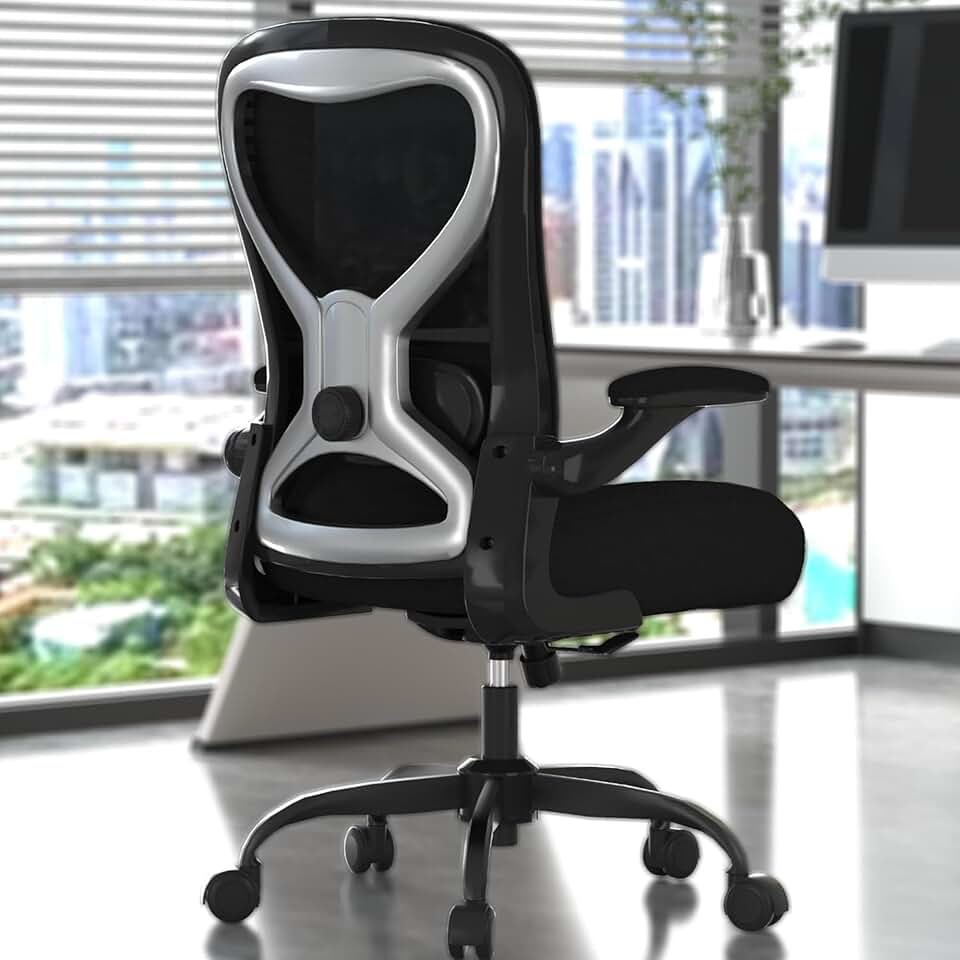
Learn how to clean office chair materials including mesh, fabric, and leather with our step-by-step 2026 guide. Quick tips, deep clean methods, and schedules.
Products Mentioned
Office Desk Chair
Solid $90 ergonomics for 6-hour days - nothing more, nothing less
As an Amazon Associate, we earn from qualifying purchases.
How to Clean Office Chair - The Complete 2026 Guide
Your office chair puts in serious work every single day. Whether you're logging eight hours in a mesh ergonomic chair or a plush leather executive seat, dirt, sweat, crumbs, and spills build up faster than you'd expect. A clean chair isn't just about appearances either. Regular cleaning extends the lifespan of your chair, keeps allergens at bay, and honestly just makes sitting down at your desk feel a lot better.
This guide covers everything you need to know about how to clean an office chair properly in 2026, broken down by material type with both quick maintenance methods and full deep clean routines.
What You Need Before You Start
Before diving into material-specific methods, gather your supplies. Having everything on hand makes the process smoother and means you won't stop halfway through because you're hunting for a cloth.
General supplies for all chair types:
Vacuum with a soft brush attachment
Microfiber cloths (at least two or three)
Mild dish soap
Warm water
A spray bottle
Baking soda
White vinegar
Soft-bristled brush (an old toothbrush works great for seams)
Additional supplies by material:
Mesh - Upholstery cleaner (fabric-safe)
Fabric - Fabric cleaner or upholstery spray
Leather - Leather conditioner, saddle soap or leather-safe cleaner
Always check your chair's manufacturer tag or documentation first. Most chairs have a cleaning code on the underside of the seat. W means water-based cleaners are safe, S means solvent-only, WS means either, and X means vacuum only. Following these codes prevents damage that your warranty might not cover.
Featured
Office Desk Chair
Solid $90 ergonomics for 6-hour days - nothing more, nothing less
Mesh chairs are incredibly popular in 2026 because they offer breathability and ergonomic support, and models like those you'll find reviewed in our best office chairs guide often use high-tension mesh for the backrest or even the full seat. The open weave is great for airflow but it does trap dust and debris surprisingly efficiently.
Quick Clean - Mesh
Vacuum first. Attach your soft brush to the vacuum and work over the entire mesh surface. Cover the backrest, seat, sides, and edges. Use the brush to loosen any debris sitting in the weave before suction pulls it away.
Mix your cleaning solution. A few drops of mild dish soap in a bowl of warm water is all you need. Dampen a microfiber cloth in the solution and wring it out well. The cloth should be damp, not wet.
Wipe top to bottom. Always wipe the mesh in a top-to-bottom direction rather than side to side. This helps push debris downward and avoids working dirt back into areas you've already cleaned.
Rinse the soap off. Use a second clean cloth dampened with plain water to wipe away any soap residue. Leftover soap can attract more dirt over time.
Air dry completely. Leave the chair in a ventilated room away from direct sunlight and heat sources. Heat and prolonged UV exposure can make mesh brittle over time.
Deep Clean - Mesh
For a monthly deep clean or when your mesh chair is visibly soiled:
Vacuum thoroughly as described above.
Prepare a stronger solution of warm soapy water in a bowl.
Use a soft-bristled brush dipped in the solution to gently scrub the mesh in circular motions on stubborn stains, then switch back to top-to-bottom strokes across the rest of the surface.
If your chair has removable mesh panels, you can soak them in warm soapy water for 10 to 15 minutes, gently brush, then rinse thoroughly. Squeeze excess water out by pressing with your palms moving downward, never by twisting.
Air dry for at least six hours before reassembling or using.
Deodorize if needed. Sprinkle a light layer of baking soda over the mesh, wait 15 to 30 minutes, then vacuum it up. Alternatively, mist lightly with a diluted white vinegar solution (one part vinegar to two parts water) and let air dry.
Clean the frame and armrests with a disinfecting wipe or damp cloth with soapy water. Wipe dry immediately to prevent any rust on metal parts.
Avoid on mesh: Bleach, alcohol-based cleaners, soaking non-removable mesh, scrubbing in a zig-zag pattern, and any heat drying method.
Cleaning Task
Frequency
Vacuuming the mesh surface
Weekly
Damp wipe with soapy cloth
Weekly or as needed
Full deep clean
Monthly
Deodorize with baking soda
Monthly or as needed
How to Clean a Fabric Office Chair
Fabric upholstered chairs are cozy and come in a huge range of colors and textures. They're also the most likely to absorb odors and hold onto stains if spills aren't treated quickly. If you're comparing fabric models, our office chairs section has detailed breakdowns of upholstery quality across price ranges.
Quick Clean - Fabric
Vacuum thoroughly. Use the brush attachment to cover the entire seating surface, backrest, sides, and especially the seams where crumbs and dust collect. Don't forget the underside of the seat cushion.
Spot test any cleaner. Before applying any product, test it on a hidden area like the underside of the seat. Wait a few minutes and check for discoloration.
Treat stains quickly. Mix a small amount of mild dish soap or a fabric-safe upholstery cleaner with warm water. Dip a soft-bristled brush into the solution and gently scrub stains in circular motions. Work from the outside of the stain inward to prevent spreading.
Wipe and blot. Use a clean damp cloth to wipe away the cleaning solution. Then blot the area dry with a dry towel. Avoid rubbing, which can push the stain deeper into the fibers.
Air dry. Leave the chair in a well-ventilated space. Avoid using fans blowing directly onto the wet fabric for long periods, as rapid drying can sometimes set residue into the fibers.
Deep Clean - Fabric
Vacuum the entire chair as thoroughly as possible.
Mix your cleaning solution and apply it systematically across the whole chair, working section by section.
Use a soft-bristled brush for the main surfaces and an old toothbrush to get into seams and crevices.
Steam cleaning is an excellent option for fabric chairs in 2026. A handheld fabric steamer lifts dirt and sanitizes without soaking the upholstery. Move the steamer slowly across the surface and wipe with a clean microfiber cloth immediately after.
For odor removal, sprinkle baking soda generously over the entire fabric surface. Leave it for 15 to 30 minutes (or up to a few hours for strong odors), then vacuum completely.
The most important rule for fabric is to avoid over-wetting the upholstery. Saturated fabric can develop mildew inside the padding, which is difficult to remove and creates ongoing odor problems.
Avoid on fabric: Harsh solvents unless the cleaning code specifies solvent-only, soaking the upholstery, bleach on colored fabric, and skipping the spot test.
Cleaning Task
Frequency
Vacuum full chair
Weekly
Spot clean spills
Immediately
Full scrub and air dry
Monthly
Baking soda deodorize
Monthly or as needed
Steam clean
Every 2 to 3 months
Ergonomic Office Chair
Solid $189 starting point - not your forever chair
Leather chairs look and feel premium, and with proper care they can last for decades. The cleaning approach differs depending on whether you have genuine leather or faux leather (pleather/PU leather), which is common on many mid-range chairs. If you're shopping for a leather chair, check out our office chairs guide for recommendations across both categories.
Quick Clean - Leather
Vacuum the crevices. Use the hose attachment (without the brush head, or with a very soft brush) to vacuum along seams, the space between the seat and backrest, and under the armrests.
Wipe down the leather. Dampen a microfiber cloth with a 50/50 mix of white vinegar and water, or a very mild dish soap solution. Wipe the entire surface gently. Avoid scrubbing.
Dry immediately. Use a dry microfiber cloth to remove all moisture right after wiping. Leather should never stay wet.
Handle spills immediately. Blot spills with a clean cloth the moment they happen. Never rub, as this spreads the liquid and can push it into the leather grain.
Deep Clean - Leather
Vacuum all crevices carefully.
Use a dedicated leather-safe cleaner or saddle soap for a thorough clean. Apply a small amount to a damp cloth and work it into the leather in small circular motions, section by section.
For stubborn stains, a diluted solution of rubbing alcohol and water (one part alcohol to three parts water) can be used cautiously. Test it first and use sparingly.
Wipe away all cleaner residue with a clean damp cloth, then dry thoroughly.
Apply a leather conditioner. This step is non-negotiable for genuine leather. Conditioner replaces the natural oils that cleaning strips away and prevents the leather from drying out and cracking. Use a conditioner specifically formulated for furniture leather, not shoe leather products. For faux leather, use a protective spray designed for PU or vinyl upholstery instead.
Avoid on leather: Undiluted alcohol or solvents, regular household spray cleaners, dye-colored cloths that might transfer color, excess water, and skipping conditioning after cleaning.
Cleaning Task
Frequency
Wipe down with damp cloth
Weekly
Full clean with leather cleaner
Monthly
Condition genuine leather
Every 1 to 3 months
Spot clean spills
Immediately
Cleaning the Parts Everyone Forgets
The seat and backrest get all the attention, but several other parts of your office chair need regular cleaning too.
Armrests collect skin oils, product residue, and general grime constantly. Wipe them down with a disinfecting wipe or damp soapy cloth weekly. If your armrests are padded, treat them according to the padding material.
The chair base and wheels are probably the dirtiest part of any office chair. Hair, dust, and debris wrap around the caster wheels and can cause rolling issues over time. Use scissors or a seam ripper to cut away tangled hair, then pull the debris out. Wipe the base with a damp cloth. For more detail on maintaining smooth-rolling casters, see our accessories guide.
The gas lift cylinder can be wiped down with a damp cloth. A thin film of silicone lubricant applied occasionally keeps it operating smoothly.
Under the seat mechanisms often get completely ignored. A vacuum and a quick wipe removes the accumulated dust that can affect how the tilt and height mechanisms feel over time.
ELABEST X100 Mesh Chair with Footrest
17-point adjustability and a footrest at $320 - finally a tall-person chair that delivers
The best cleaning routine is one you'll actually stick to. Here's a realistic schedule that keeps your chair in great condition without turning cleaning into a major project.
Weekly
Vacuum the seat and backrest
Wipe armrests with a disinfecting wipe
Deal with any fresh spills or stains immediately
Monthly
Full material-specific clean (mesh wipe, fabric scrub, leather conditioning)
Clean caster wheels and base
Deodorize with baking soda if needed
Every 2 to 3 months
Steam clean fabric chairs
Condition leather chairs (genuine leather)
Check and clean the height mechanism and tilt controls
Pairing a clean chair with a clean desk setup and organized accessories makes your whole workspace feel more productive and professional.
Keeping your chair clean takes less time than most people expect once you build the habit. A quick weekly wipe-down and a monthly deeper session is really all it takes to keep most chairs looking great for years. The key is treating spills immediately, using the right products for your specific material, and never skipping the drying step.
Office Desk Chair
Sub-$100 seating for shorter frames - honest about its limits
A light clean every week is ideal, which means vacuuming the surface and wiping down armrests. A deeper clean involving scrubbing, steam cleaning, or conditioning should happen monthly. If you eat at your desk or use your chair heavily, bump up both frequencies. Spot cleaning spills should happen immediately regardless of your regular schedule.
It depends on the material. Disinfecting wipes are generally fine for hard surfaces like armrests, the chair base, and frame. For mesh, occasional use is okay but don't use them as your primary cleaning method since repeated alcohol exposure can degrade the mesh fibers over time. Avoid them entirely on genuine leather, as they dry out the material and can cause cracking.
Baking soda is your best friend here. Sprinkle a generous layer over the fabric or mesh surface, let it sit for 15 to 30 minutes (longer for stronger odors), then vacuum it up completely. For persistent odors, lightly mist with a diluted white vinegar solution (one part vinegar to two parts water) and allow to air dry fully in a ventilated room. Repeat as needed.
First, use scissors or a seam ripper to carefully cut through any hair or string tangled around the wheel axle. Then pull the loose debris out by hand or with tweezers. Wipe the wheels and base with a damp cloth. If the wheels are removable on your chair model, pulling them off makes this process much easier. Regular cleaning every month or two keeps them rolling smoothly.
Yes, and it matters quite a bit. Genuine leather needs to be conditioned after cleaning to replace natural oils and prevent cracking. Use a furniture-specific leather conditioner every one to three months. Faux leather (PU or bonded leather) does not absorb conditioner the same way, so use a protective spray designed for vinyl or PU upholstery instead. Both types should be wiped with a damp cloth and dried immediately, and both should never be soaked.
Most office chair components are not designed for machine washing. Even if a mesh panel is removable, machine washing can distort its shape and damage the tension structure. The safest deep clean for removable mesh is hand washing in warm soapy water, gently brushing, rinsing, pressing out excess water with your palms, and air drying flat. Always check your manufacturer's documentation before attempting any method like this.
Avoid bleach on all chair types as it can damage fibers, strip color, and degrade materials. Undiluted rubbing alcohol is too harsh for leather and most mesh materials. Harsh household spray cleaners like bathroom or kitchen degreasers are not formulated for upholstery and can leave damaging residue. Avoid any product that isn't specifically marked as safe for upholstery or your chair's specific material, and always spot test in a hidden area first.
Yes, Dawn Platinum diluted in water (roughly 1 teaspoon per 2 cups of warm water) is a safe and effective spot cleaner for most fabric office chair upholstery. Apply the solution with a microfiber cloth using light circular motions, then blot dry rather than rubbing to avoid pushing the stain deeper. Avoid soaking the fabric, as excess moisture can lead to mold in the foam underneath.
Spot clean ergonomic chair foam with a solution of mild detergent and water, applying it with a damp cloth rather than saturating the material directly. Never submerge foam or use a wet vacuum aggressively on it - excess moisture trapped inside foam takes hours to dry and encourages mold growth. For odor removal, lightly sprinkle baking soda on the surface, let it sit for 30 minutes, then vacuum it off with an upholstery attachment.
Sprinkle a generous layer of baking soda directly onto the seat, let it sit for at least one hour (overnight is better for strong odors), then vacuum it away with an upholstery attachment. Follow up by lightly misting the fabric with a 50/50 white vinegar and water solution and allowing it to air dry completely before use. For persistent odors embedded in the foam, an enzyme-based cleaner like Rocco and Roxie Professional Strength works by breaking down the organic compounds causing the smell rather than just masking them.
A microfiber cloth paired with a diluted upholstery shampoo like Woolite Heavy Traffic Carpet and Upholstery Cleaner is the most reliable option for fabric office chairs. For routine maintenance, a handheld vacuum with an upholstery brush attachment removes debris before it works into the fibers. Always check the chair's cleaning tag first - a W code means water-based cleaners are safe, an S code means solvent-only, and an X means vacuum only.