Office Chair Cylinder Replacement - Complete 2026 Guide
Your office chair slowly sinks throughout the day. You raise it, sit down, and within an hour you're back at desk-chin height. Sound familiar? A failing gas cylinder is one of the most common office chair problems out there, and the good news is that office chair cylinder replacement is one of the easiest and most affordable chair repairs you can make.
This guide walks you through everything - the tools you need, a clear step-by-step process, an honest cost breakdown, and a straight answer on whether it's actually worth fixing your specific chair or whether it's time to browse some new options.
What Is a Gas Cylinder and Why Does It Fail
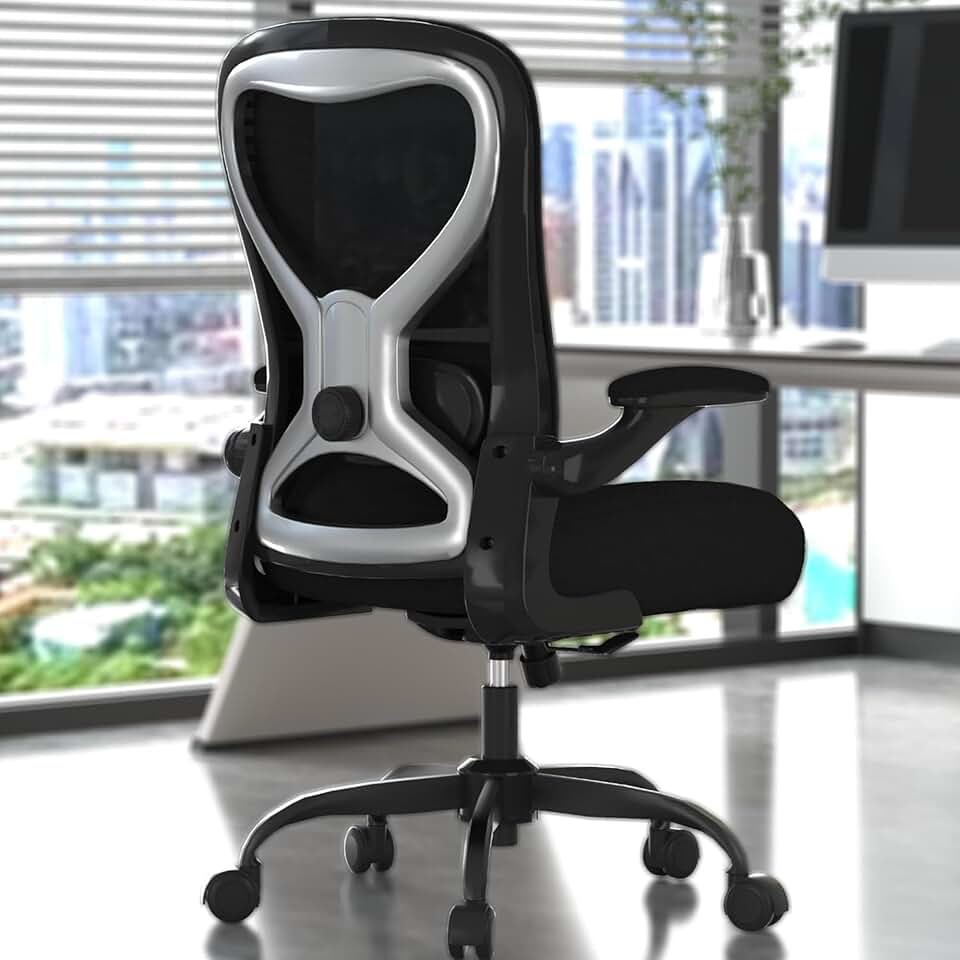
The gas cylinder (also called a gas lift, pneumatic cylinder, or gas strut) is the central silver column connecting your chair seat to its five-star base. It contains pressurized nitrogen gas that supports your weight and lets you raise or lower the seat with a lever or paddle.
Over time, the internal seals degrade and the nitrogen slowly leaks out. Once that happens, the cylinder can no longer hold pressure under your body weight, and the chair begins to sink. No amount of adjusting, lubricating, or wishful thinking will fix a dead seal - the cylinder itself needs to go.
Common signs your cylinder has failed:
- Chair sinks gradually while you're sitting, no matter how many times you raise it
- Height lever feels loose or unresponsive
- Chair drops suddenly rather than lowering smoothly
- Chair won't raise as high as it used to
- Audible hissing when you sit down
Is It Worth Repairing - Honest Cost Analysis
Before you order a replacement cylinder, take five minutes to think through whether the repair makes financial and practical sense for your situation.
What a Replacement Cylinder Costs in 2026
| Cylinder Type |
Typical Price Range |
Best For |
| Standard universal cylinder |
$12 - $25 |
Budget and mid-range chairs |
| Heavy-duty cylinder (up to 350 lbs) |
$20 - $40 |
Big and tall chairs |
| Brand-specific OEM cylinder |
$30 - $65 |
Herman Miller, Steelcase, Humanscale |
| Extra-tall cylinder (for standing desks) |
$25 - $45 |
Height-adjustable desk users |
When you add a replacement cylinder ($15-$40 on average) to your time investment (30 minutes to an hour for a first-timer), the repair cost is almost always worth it - as long as the rest of the chair is in good shape.
When Replacement Is Clearly Worth It
- Your chair cost more than $150 and the frame, armrests, and upholstery are all fine
- You have a quality chair like a Herman Miller Aeron, Steelcase Leap, or similar and just need a functioning lift
- You're comfortable with basic DIY tasks and have 30 minutes free
When You Should Buy New Instead
- The chair cost under $80 new - a replacement cylinder might cost nearly as much as a comparable new budget chair
- The seat foam is compressed flat, the armrests are cracked, or the base has cracked spokes - these repairs add up fast
- You've already replaced the cylinder once and it failed again quickly, suggesting a counterfeit or mismatched part
- You've been wanting to upgrade anyway - this is a natural moment to explore better chairs rather than spend money preserving a chair that was never quite right
Rule of thumb - if your chair is worth more than $150 and has no other structural damage, replacing the cylinder is almost always the smart financial move.
You probably have most of these already. Don't skip the pipe wrench - this is the one tool people try to improvise around, and it makes the job dramatically harder.
Essential tools:
- Pipe wrench or plumber's wrench - This is non-negotiable. The cylinder is friction-fitted into the seat mechanism and gets tighter with years of use. A standard adjustable wrench often won't grip well enough.
- Rubber mallet or hammer - For separating the base from the cylinder. A rubber mallet is gentler on the plastic base, but a regular hammer with moderate force works fine.
- Work gloves - Improve grip and protect your hands from metal edges.
- A flat-blade screwdriver - Useful for popping plastic clips on some chair models.
Helpful but optional:
- WD-40 or penetrating lubricant (if the cylinder hasn't moved in years)
- A second person (genuinely makes the job easier, especially for heavier chairs)
- A rubber mat or old towel (to work on without scratching floors)
How to Measure for the Right Replacement Cylinder
This step trips people up, so don't skip it. Cylinders are not perfectly universal, even though many are labeled that way.
Measure these two things on your existing cylinder:
- Stroke length - This is how far the cylinder extends from fully compressed to fully extended. Typical range is 3 to 5 inches. A longer stroke means a greater height range for the seat.
- Cylinder diameter - Most standard chairs use a cylinder with a 2-inch (50mm) diameter at the thick base end. Heavy-duty chairs often use a slightly wider diameter.
Also check the overall extended length of the cylinder, which affects how high the seat sits. If you use a height-adjustable standing desk, you may want a taller-than-standard cylinder so the chair still works at desk height. We cover desk compatibility in more detail here.
If you can find your chair's model number (usually on a sticker under the seat or on the base), search for it alongside "replacement gas cylinder" to find exact-fit options.
Office Chair Cylinder Replacement - Step by Step
This process works for the vast majority of office chairs sold in 2026. A small number of chairs (mostly older European models) use threaded or bolt-in cylinders, but friction-fit is the dominant standard.
Step 1 - Flip the Chair and Prepare Your Workspace
Turn the chair upside down and lay it on a flat, protected surface. A mat or folded blanket on the floor works perfectly. You want stable access to the underside without the chair rolling or rocking.
If your chair has a cable-activated height mechanism (identifiable by a thin cable running from the lever down to the cylinder housing), locate the plastic housing under the seat. You'll see a white plastic tube held in a clip, with a small metal bead at the end of the cable. Pop the tube free from its clip and unloop the metal bead. Set this aside carefully - you'll need to reconnect it to the new cylinder.
Step 2 - Extend the Cylinder Fully
Before you try to remove anything, press the height adjustment lever to extend the cylinder to its maximum height. This exposes the widest part of the connection point and gives you more surface area to grip with your pipe wrench.
Step 3 - Separate the Base from the Cylinder
Hold the chair base steady (have your helper hold it if possible). Using your rubber mallet or hammer, strike upward on the base from underneath the cylinder. You're trying to drive the base down and off the cylinder's tapered end.
The base is held purely by friction - there are no bolts or clips. It may take five to fifteen firm strikes to break it free. Don't be alarmed by the force required; this is normal.
If the base is genuinely stuck after significant effort, spray a little WD-40 where the cylinder meets the base, wait two minutes, and try again.
Step 4 - Remove the Old Cylinder from the Seat Mechanism
This is the most physically demanding step. Grip the cylinder as close to the seat mechanism as possible using your pipe wrench - the tighter and higher the grip, the better your leverage.
Twist counterclockwise with firm, sustained force. The cylinder is tapered and friction-fitted into the seat mechanism, and years of body weight sitting on it compresses that fit very tight. Don't be shy about applying real muscle here. If it won't budge after several attempts:
- Spray WD-40 at the junction point and wait a few minutes
- Ask a helper to hold the seat mechanism while you twist
- Try a strap wrench for better grip if the pipe wrench keeps slipping
Once it breaks free, pull the cylinder straight out.
Step 5 - Insert the New Cylinder
Take your new replacement cylinder and identify the two ends. The narrow, tapered end goes up into the seat mechanism. The wide, smooth end goes down into the base.
Insert the narrow end into the hole in the chair's underside. Push it in firmly - it should seat with a satisfying solid feel. You don't need to twist it; it's a push-fit.
If your chair has a cable mechanism, reconnect it now. Thread the cable back into its clip and loop the metal bead back into position before proceeding.
Step 6 - Reattach the Base
Slide the five-star base over the wide end of the new cylinder. Push it down firmly by hand until it seats flush. It doesn't need to be hammered in - body weight will compress the fit over time.
Step 7 - Flip and Test
Turn the chair right-side up and sit on it firmly a few times. This seats the base fully onto the cylinder and lets you feel immediately whether the lift is working. Adjust to a comfortable height, release the lever, and stand up. The chair should hold its height without sinking.
Test the full range of height adjustment a few times to confirm smooth operation.
Cylinder Replacement for Specific Chair Types
Budget and Mid-Range Chairs
Chairs from brands like HON, Flash Furniture, and Staples house-brand models almost all use standard universal cylinders. A $15-$20 universal cylinder from Amazon or a local hardware store will fit the vast majority of these.
Premium Ergonomic Chairs
For chairs like the Herman Miller Aeron, Steelcase Leap, or Humanscale Freedom, use OEM or high-quality aftermarket cylinders specifically listed as compatible with your model. Generic cylinders often don't match the exact stroke length or load rating these chairs require. While OEM parts cost more ($40-$65), they preserve the chair's ergonomic performance and are worth the investment given what you paid for the chair originally. Check out our accessories page for links to compatible replacement parts.
Big and Tall Chairs
If your chair is rated for users over 250 lbs, you need a heavy-duty cylinder rated to match. Standard cylinders are typically rated for 250-275 lbs. Putting a light-duty cylinder in a big and tall chair will result in premature failure and potentially a sudden drop, which isn't safe.
After the Replacement - Maintenance Tips
A quality cylinder should last 3-7 years under normal use. A few habits will extend its life:
- Avoid repeatedly slamming the seat height lever to drop the seat hard - this stresses the internal seals
- Don't exceed the chair's weight rating - if you're near the limit, choose a heavy-duty rated cylinder
- Keep the cylinder clean - wipe down the exposed chrome section occasionally to prevent grit from working into the seal
- Store the chair at mid-height when not in use rather than fully compressed - this reduces long-term seal stress
If you find yourself replacing cylinders more than once every two years on the same chair, it may be a sign that the chair's seat mechanism has slight misalignment causing uneven wear. At that point, a new ergonomic chair is worth considering.
Quick Reference Summary
| Step |
Action |
Time Needed |
| Gather tools |
Pipe wrench, mallet, gloves |
5 min |
| Measure old cylinder |
Stroke length and diameter |
5 min |
| Flip and prep chair |
Invert on protected surface |
2 min |
| Remove base |
Hammer upward from below |
5-10 min |
| Remove old cylinder |
Pipe wrench, counterclockwise |
5-10 min |
| Install new cylinder |
Push fit, narrow end up |
2 min |
| Reattach base |
Slide on and press down |
2 min |
| Test |
Sit, adjust, confirm hold |
3 min |
Total estimated time - 30 to 45 minutes for a first-timer, 15-20 minutes if you've done it before.
Replacing a gas cylinder is one of the most satisfying small repairs you can make. It costs almost nothing relative to a new chair, takes less than an hour, and gives a quality chair years of extra life. If you do decide the chair isn't worth saving, our full chair buying guide has detailed reviews of the best ergonomic options available in 2026 at every price point.