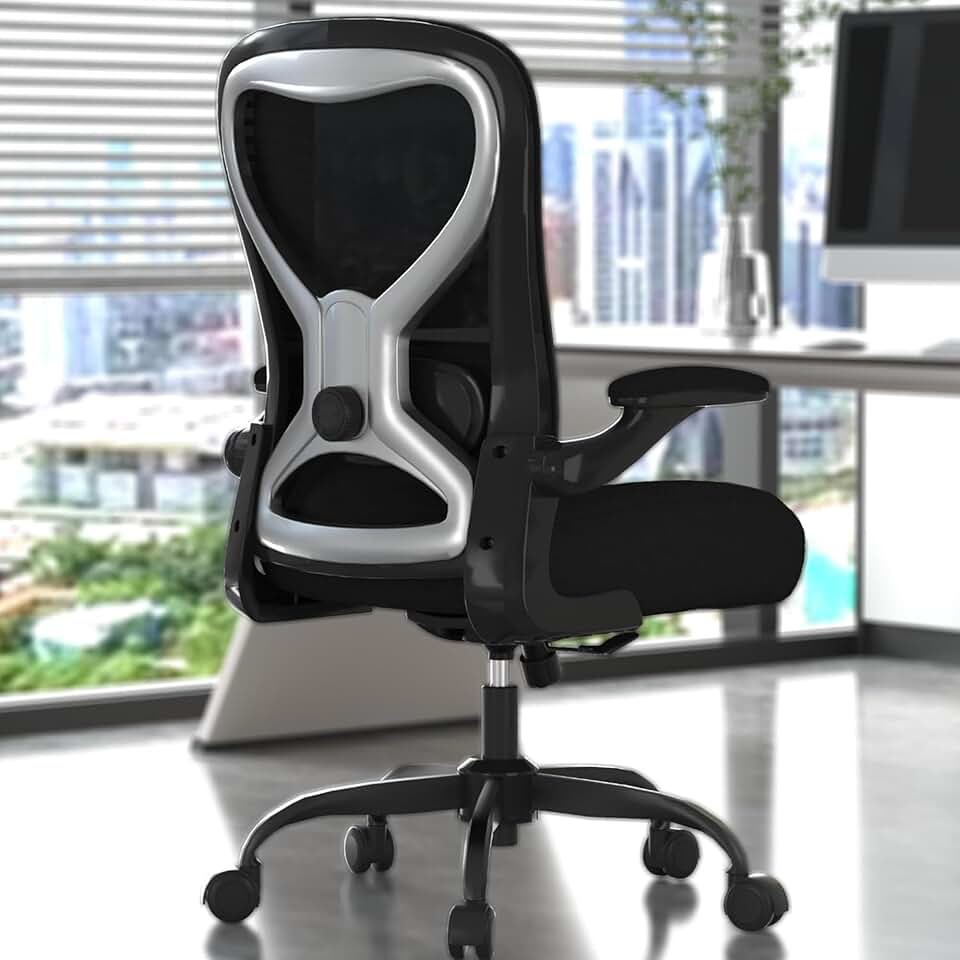
Best Office Chair for Pregnancy in 2026
Being pregnant while working a desk job is no small feat. Your body changes week by week, your center of gravity shifts, and what felt comfortable in your first trimester can feel completely wrong by your third. The right office chair for pregnancy can genuinely make those long work days feel manageable rather than miserable.
This guide walks you through the best chairs available right now, what to look for at each stage of your pregnancy, and how to set up your workspace so it actually supports you. As always, every pregnancy is different, so please check in with your healthcare provider, especially if you're dealing with conditions like pregnancy-related pelvic girdle pain (PrPGP), which affects roughly 44% of pregnancies.
Why a Regular Office Chair Often Falls Short During Pregnancy
Most office chairs are designed for an average non-pregnant adult body. They don't account for the lumbar curve changes, the widening of the hips, the increased body temperature, or the swelling in the lower legs that come with pregnancy. Sitting in the wrong chair for 6-8 hours a day can contribute to back pain, poor circulation, and serious fatigue.
The good news is that several chairs on the market in 2026 are genuinely well-suited to pregnant users, thanks to high adjustability, generous seat widths, and thoughtful lumbar systems that can shift position as your body changes.
What to Look for in an Office Chair for Pregnancy
Before jumping into specific recommendations, here are the features that matter most.
Adjustable Lumbar Support
This is arguably the most important feature. As your belly grows, your lumbar curve increases, and the ideal position of lumbar support actually shifts downward toward the sacral region. A chair with lumbar that only sits in one fixed position won't serve you well through all three trimesters. Look for lumbar systems that can move up and down by at least a few inches.
Seat Depth Adjustment
You want a 2-3 finger gap between the back of your knees and the front edge of the seat. This prevents pressure on the popliteal area behind your knees, which can restrict circulation and worsen leg swelling. As your hips shift and your posture changes, having a seat depth you can dial in makes a meaningful difference.
Wide, Well-Cushioned Seat
Your hips widen during pregnancy, and a narrow seat becomes uncomfortable quickly. Look for seats that are at least 19-20 inches wide, with dense foam cushioning that doesn't flatten out after a few months of use.
Height and Width Adjustable Armrests
As your shoulders change and your belly grows, fixed armrests can cause you to hunch or strain your trapezius muscles. Armrests that adjust in height, width, and ideally depth let you keep your arms supported without pushing your elbows outward or upward.
Breathable Mesh Back
Pregnancy raises your core body temperature, and sitting in a chair with a thick foam back will leave you sweaty and uncomfortable. A mesh backrest allows air to circulate and keeps you much cooler throughout the day.
Recline with Tilt Tension Control
Being able to recline takes pressure off your spine and redistributes weight away from your lower back and tailbone. Tilt tension control lets you adjust how much resistance you feel when reclining, which is helpful as your weight distribution changes trimester by trimester.
High Weight Capacity
This one is practical but important. Make sure the chair is rated for at least 300 lbs, and ideally 400 lbs, to give you plenty of headroom as your weight increases.
Leg swelling and edema are common in the second and third trimesters. A chair that pairs well with a footrest (check our accessories page for options) allows you to slightly elevate your feet and improve circulation.
The Best Office Chairs for Pregnancy in 2026
Here are our top picks, organized by what makes each one stand out for pregnant users.
The Exis is our top overall pick specifically because of its 4-level adjustable lumbar support system. Most chairs give you lumbar that moves slightly, but the Exis lets you position it low enough to shift into genuine sacral support territory, which is exactly what you need in your second and third trimesters when anterior pelvic tilt becomes a real issue.
The seat depth is adjustable, the armrests move in multiple directions, and the chair has been praised by physical therapists for its ability to promote pelvic stability without putting pressure on the abdomen. If you only buy one chair for your entire pregnancy and want it to adapt with you from week 8 to week 38, this is the one.
Best for: All trimesters, especially users experiencing pelvic pain
2. Lira Ergonomic Office Chair - Best for Heat Regulation
If you're finding yourself overheating constantly (a very normal pregnancy experience), the Lira's full mesh construction is a genuine relief. The back and seat are both breathable, which is relatively rare - many mesh chairs only use mesh on the back while the seat remains foam.
The Lira also features adjustable seat depth, which places it ahead of many competitors in this price range. Its lumbar support is firm but adjustable in height, making it a solid option from the mid-trimesters onward when heat management becomes a daily concern.
Best for: Second and third trimesters, users who run warm
3. Royal II Silicone and Leather Executive Chair - Best for Third Trimester Fatigue
By the third trimester, comfort and rest matter just as much as ergonomics. The Royal II has a genuinely high back that wraps around the upper body, providing support all the way from the lumbar up to the shoulders and neck. Its recline is smooth and goes far enough back to meaningfully offload spinal pressure during those afternoon exhaustion stretches.
This isn't a mesh chair, so it runs warmer, but if your office is well air-conditioned and you need that enveloping, supportive feeling of a high-back executive chair, the Royal II delivers it beautifully.
Best for: Third trimester fatigue, users who prioritize comfort over breathability
4. Steelcase Series 2 - Best for Back Pain and Heavier Users
The Steelcase Series 2 has a weight-activated back tension system that automatically adjusts resistance based on how much force you apply when leaning back. This is genuinely useful during pregnancy because your weight and how you distribute it changes constantly. You're not manually re-tuning the tension every few weeks.
The armrests adjust in height, width, and depth, which is a level of customization that helps enormously as your shoulder and torso dimensions shift. The seat is generously cushioned and the chair is rated to 400 lbs, giving you plenty of capacity. This is also a strong option if you were larger before pregnancy, as many chairs in this category are designed with a narrower user in mind.
Best for: Back pain, users with higher weight capacity needs
| Feature |
Steelcase Series 2 |
Standard Budget Chair |
| Weight Capacity |
400 lbs |
250 lbs |
| Armrest Adjustability |
Height, width, depth, pivot |
Height only |
| Lumbar Position |
Adjustable height |
Fixed |
| Seat Depth |
Adjustable |
Fixed |
| Back Tension |
Weight-activated auto adjust |
Manual knob |
5. Herman Miller Aeron - Best Premium Option for Full Customization
The Aeron remains one of the most adjustable office chairs available, and that adjustability makes it genuinely excellent for pregnancy. The PostureFit SL lumbar system supports both the lumbar spine and the sacrum independently, which is especially valuable as your pelvis changes position during the second and third trimesters.
The Aeron is available in three sizes, so you can choose the one that best fits your current body. Add the optional headrest and you have a chair that provides support from your sacrum all the way to the back of your head. The mesh is breathable, the tilt is highly customizable, and the build quality means this chair will outlast your pregnancy and serve you well for years after.
The price point is significant, but if you're working full-time throughout your pregnancy and budget allows, the Aeron is genuinely worth it.
Best for: Users who want the most customizable premium option available
6. Branch Ergonomic Chair Pro - Best Value Under $500
Not everyone can budget for a Steelcase or Herman Miller, and the Branch Ergonomic Chair Pro is the best option for users who want solid pregnancy-friendly features without the premium price tag. It includes adjustable lumbar support, adjustable seat depth, and armrests that move in multiple directions.
It's also GREENGUARD certified, meaning it's been tested for low chemical emissions, which is a reasonable thing to prioritize during pregnancy. The build quality is good for the price, and Branch offers a solid warranty that gives you confidence in the long-term investment.
Best for: Budget-conscious buyers, overall versatility
Trimester by Trimester - How to Adjust Your Chair
Knowing which chair to buy is just the start. How you set it up matters just as much.
First Trimester Setup
In your first trimester, your body hasn't changed dramatically yet, so standard ergonomic setup works well. Position your lumbar support at the natural curve of your lower back. Set your chair height so your desk is at roughly elbow level (for most people this is around 26-27 inches of desk height). Your feet should be flat on the floor with your knees at approximately 90 degrees.
This is a good time to get familiar with all of your chair's adjustments so that making changes later feels easy and intuitive.
Second Trimester Setup
As your belly grows and your lumbar curve increases, shift your lumbar support downward toward the sacral region. This helps counteract the anterior pelvic tilt that develops as the weight of your abdomen pulls your pelvis forward. You may also want to start using a footrest at this stage to slightly elevate your feet and encourage better circulation in your lower legs.
Widen your armrests if that option is available, as your shoulders may have shifted slightly. A slight recline of 100-110 degrees can also reduce pressure on your lower back compared to sitting fully upright.
Third Trimester Setup
By the third trimester, maximize the adjustments you've been building toward. Use your chair's full recline capacity during breaks. Keep your seat depth adjusted so there's a clear gap behind your knees. If your chair has a seat tilt feature, a slight forward tilt can reduce pressure on the tailbone, which many pregnant users find painful in the final weeks.
This is also when pairing your chair with a sit-stand desk (browse our desk recommendations) makes the biggest difference. Alternating between sitting and standing reduces vein pressure, back pain, and the cumulative fatigue of sitting all day.
Setting Up Your Full Workstation During Pregnancy
Your chair is the foundation, but the full picture includes your desk, monitor height, and accessories. Here are a few additional setup tips.
Monitor height should keep your gaze slightly downward, around 15-20 degrees below horizontal. This reduces neck strain that tends to worsen during pregnancy as your center of gravity shifts forward.
Keyboard and mouse placement should keep your elbows close to your body and your wrists neutral. A wrist rest can help, especially if you experience any carpal tunnel symptoms, which are more common during pregnancy.
A lumbar cushion or wedge cushion can be a useful supplement to your chair's built-in support, particularly in the third trimester. Browse our accessories page for options we've reviewed specifically for pregnancy use.
Standing breaks should happen at least once per hour. Even a 2-minute walk around the office or a brief standing stretch makes a significant difference in circulation and back pain.
A Note on Safety and Personal Advice
The recommendations in this guide are based on general ergonomic principles and the features most commonly found to help during pregnancy. However, every pregnancy is unique. If you're experiencing specific conditions like pelvic girdle pain, sciatica, or symphysis pubis dysfunction, the chair setup that works best for you may differ from what's outlined here. Please work with your OB-GYN, midwife, or a physiotherapist who can give you personalized guidance based on your specific situation.
For more chair recommendations across different use cases, visit our full office chairs guide.