Photo by ObjectType RAW on Unsplash
The Best Seat Cushion for Office Chair - Top Picks Tested for 2026
Your office chair's stock cushion was probably designed to a price point, not to support a human body for eight hours. If you're ending workdays with tailbone soreness, numb sit bones, or a stiff lower back, the cushion is almost always the first thing worth changing - and often the cheapest fix that actually works.
This guide covers the top seat cushions for 2026 based on recent expert tests and user data: what foam density actually means for durability, why the coccyx cutout matters more than most buyers realize, and which products are worth spending real money on versus which $15 Amazon specials will turn into a pancake by Q3.
 Photo by Ritupon Baishya on Unsplash
What Actually Makes a Good Office Chair Cushion
Before getting into specific products, it helps to understand what separates a cushion that works for two years from one that flattens in six weeks.
Foam Density - The Number That Matters Most
Foam density is measured in kg/m³. Research on pressure redistribution (referenced in ergonomic literature) shows that memory foam at or above 50 kg/m³ meaningfully reduces ischial tuberosity strain - that's the pressure on your sit bones that causes numbness and fatigue. Sub-$25 unbranded cushions typically use 30-35 kg/m³ foam. It feels fine in the store. It compresses to nothing within three months of daily use.
Premium models like the Kizu and Cushion Lab use high-density medical-grade foams. You pay more upfront, but you're not replacing the cushion twice a year.
The Coccyx Cutout - Not Just a Gimmick
The U-shaped or coccyx cutout removes contact pressure from the tailbone entirely. If you have sciatica, coccyx pain from an old injury, or spend more than six hours a day seated, a cushion without this feature is leaving real comfort on the table. Ergonomic guidelines consistently recommend pressure-free tailbone zones for prolonged sitting - and the cutout design is the simplest implementation of that principle.
Gel vs. Memory Foam vs. Hybrid
- Pure memory foam - molds well, good support, but traps heat over long sessions. Best in cooler environments or for sessions under four hours.
- Gel-enhanced hybrid - gel layer on top dissipates heat more effectively. Costs more but makes a real difference for all-day sitting.
- High-density contoured foam - found in medical-grade options; less conforming than memory foam but more durable and more supportive for heavy users.
Size - Why 18x18 Inches Is the Standard
Most office chair seats run 17-20 inches wide. An 18x18 inch cushion fits the majority without overhang. Go wider than 20 inches and you risk the cushion shifting or curling up at the edges on a standard seat pan. Extra-large models like the Kölbs are great for wide executive chairs but will look awkward and destabilize on narrow task chairs.
Top Seat Cushions for Office Chairs in 2026
 Photo by Ritupon Baishya on Unsplash
Best Overall - Everlasting Comfort Multiuse Seat Cushion
Price - approximately $40-50
This is the cushion that keeps topping 2026 roundups, and for practical reasons rather than marketing ones. The 100% memory foam core molds to your sit bones within the first few minutes of use - noticeably faster than most competitors at this price. The U-shaped coccyx cutout is well-proportioned: deep enough to eliminate tailbone contact, but not so aggressively cut that it destabilizes the seating surface.
The non-slip rubber base is genuinely effective. On leather chairs and mesh chairs alike, it stays put through a full workday without requiring constant repositioning. The "multiuse" designation is accurate - it works on car seats, kitchen chairs, and stadium seating too, which adds value if you're not exclusively using it at a desk.
The catch - memory foam means heat buildup during long sessions. If your office runs warm or you're a naturally warm sitter, pair this with a breathable chair.
Best for - anyone upgrading from a flat stock cushion who wants immediate relief without a big investment.
Best Gel Hybrid - ComfiLife Gel Enhanced Seat Cushion
Price - approximately $35-45
The ComfiLife consistently earns its spot in 2026 tests specifically because of the gel layer. Pure memory foam cushions trap heat; the gel-infused design here actively dissipates it, which matters significantly for 8+ hour sessions. Users reporting tailbone relief during extended work from home sessions cite this model specifically in recent feedback.
The contoured design promotes neutral pelvic alignment, and the large size option makes it one of the better fits for wider executive chairs without going full extra-large. At under $45, the gel cooling feature at this price point is genuinely hard to beat.
The catch - the gel layer adds slight firmness initially. Expect a break-in period of two to three days before it reaches optimal comfort.
Best for - users in warm offices, anyone who has tried pure memory foam and found it too hot.
Best Premium - Kizu Cushion
Price - approximately $80-100
Bestseatcushions.com called it the "#1 of 2026" following hands-on testing, and the designation is backed up by specifics. The Kizu uses medical-grade foam - higher density than anything in the budget or mid-range tier - which translates directly to better long-term durability and more consistent pressure redistribution under the ischial tuberosities.
For anyone sitting more than six hours a day, this is where the math works out. A $40 foam cushion that flattens in six months costs more annually than a $90 cushion that holds its shape for two years or more. The contoured design is engineered for sustained support rather than the initial plushness that cheaper cushions use to win over buyers in-store.
The catch - higher upfront cost, and it may feel firm compared to softer memory foam options for the first week.
Best for - remote workers, developers, writers, or anyone clocking serious daily hours at a desk who can't afford to compromise on long-term joint health.
Price - $20.89 on Amazon (ASIN B09N16ZQWY)
For a sub-$25 cushion, the Memory Foam Seat Chair Cushion punches adequately. It won't have the density of the Kizu or the gel cooling of the ComfiLife, but for occasional use, a secondary workstation, or a user who's primarily dealing with a hard chair seat (wood, plastic) rather than a fully failed foam cushion, it provides genuine short-term improvement.
The catch - expect noticeable compression within three to six months of daily use. This is a temporary fix, not a long-term investment. Do not buy this expecting two-year performance.
Best for - budget-constrained buyers, renters who move often, or anyone needing a cushion for a spare chair that gets light use.
Price - approximately $50-60
Standard 18x18 cushions can feel narrow on executive chairs and big-and-tall seats. The Kölbs Extra Large provides coverage for broader seat pans without the gel or density engineering of premium options, but it handles the size problem well. High comfort ratings from 2026 YouTube testing, particularly in the context of wide office chairs.
The catch - the extra-large dimensions will overhang and destabilize on standard-width task chairs. Measure your seat pan before buying. If your seat is under 19 inches wide, get something else.
Best for - users with wide executive chairs or big-and-tall chairs who find standard cushions feel narrow.
Best Mid-Range Value - Cushion Lab Seat Cushion
Price - $74
BTOD.com ran a direct cheap-vs-expensive test and called Cushion Lab the "clear winner" over budget alternatives including the WAOAW. The charcoal-infused foam handles odor and provides mild cooling. The contouring is aggressive enough to actually guide your pelvis into alignment rather than just padding a flat surface.
At $74 it sits in a slightly awkward price band - close enough to the Kizu that you need to decide whether the medical-grade designation justifies the extra $10-25. For most users, the Cushion Lab is the practical ceiling of what they need to spend.
The catch - charcoal infusions help with cooling but are not a full substitute for a gel layer in genuinely warm environments.
Best for - users who want a step up from mid-range memory foam without committing to premium pricing.
The CushZone Seat Cushion at $16.99 and the BlissTrends Donut Pillow Seat Cushion at $18.99 both appear in the catalog and deserve brief mention for specific use cases. The donut/ring design of the BlissTrends is clinically relevant for post-surgical recovery, hemorrhoid discomfort, or tailbone injuries where even a U-cutout maintains too much pressure. The CushZone is entry-level foam at entry-level durability - fine for very light use.
What to Avoid - The $15 Amazon No-Name Problem
 Photo by Bimbingan Islam on Unsplash
Five-star ratings and appealing product photos don't mean much when a cushion is made from 30 kg/m³ unbranded foam with no identifiable manufacturer. The failure mode is consistent: initial firmness that feels like support, followed by rapid compression that leaves you sitting on a slightly padded version of the bare seat within 90 days.
The specific red flags to watch:
- No foam density specification listed anywhere in the product description
- Price under $18 with no brand recognition
- No non-slip base (you will spend half your day repositioning it)
- Amazon listings with no Q&A section and reviews that are all 4-5 stars with identical phrasing
The WAOAW at $25.99 represents about the floor for anything worth buying - and even that performs better in value tests than the truly unbranded options. Going below $20 from an unknown seller is almost always a waste of money on a 90-day solution.
How to Choose the Right Seat Cushion
Start With Your Specific Pain Point
- Tailbone or coccyx pain - non-negotiable: you need a U-shaped coccyx cutout. Any cushion without one will keep direct pressure on the problem area. The Everlasting Comfort and Kizu are the strongest options here.
- General numbness and sit-bone pressure - any contoured memory foam or gel hybrid will help. Foam density matters more than the cutout. Target 50+ kg/m³.
- Lower back pain - a seat cushion alone won't fix lumbar issues. Pair a seat cushion with a dedicated lumbar support. The Niceeday Lumbar Support Pillow at $26.99 is a solid companion purchase.
- Heat and sweating - skip pure memory foam entirely. ComfiLife's gel hybrid or Cushion Lab's charcoal foam are the practical choices.
Match the Cushion to Your Chair
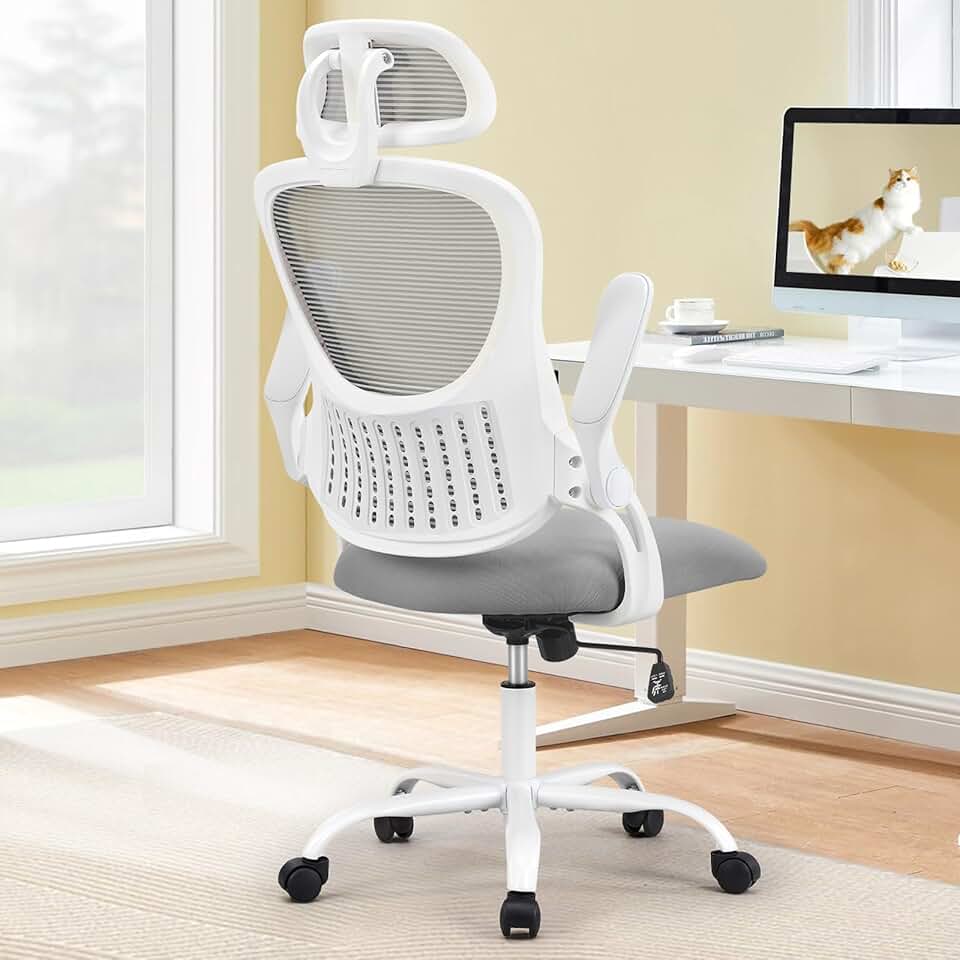
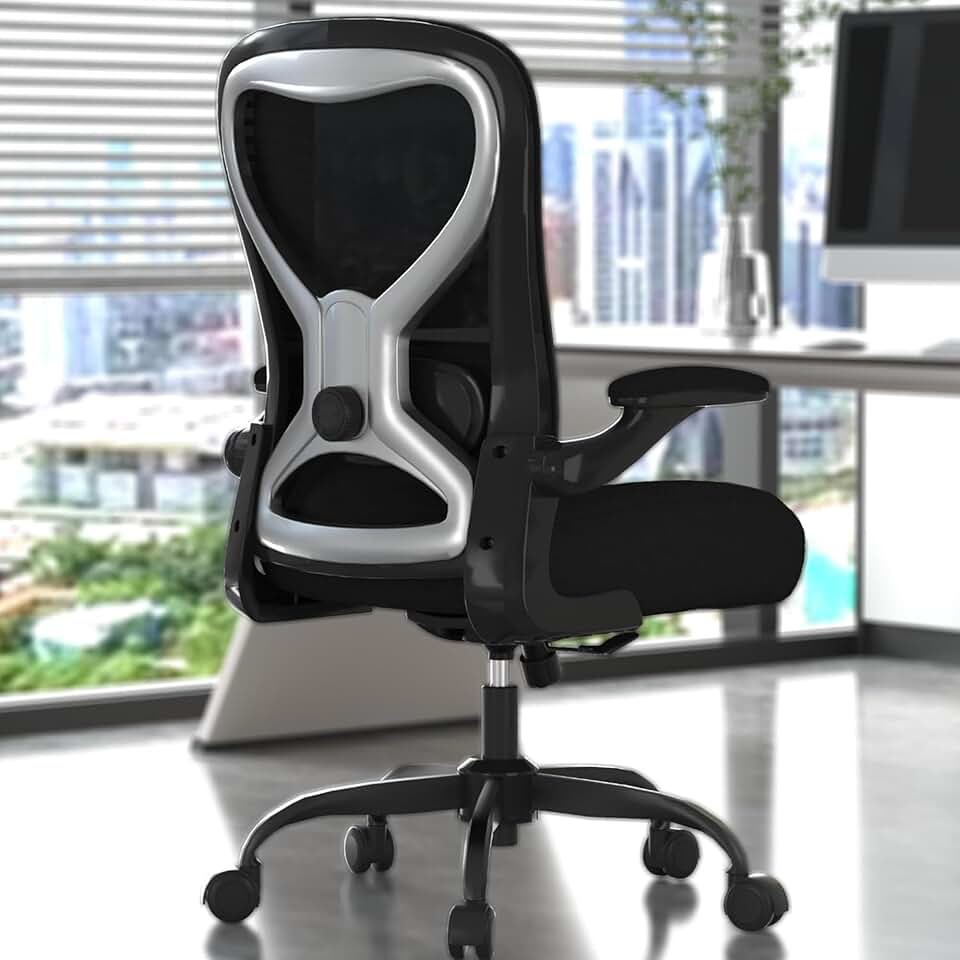
A seat cushion on a well-designed ergonomic chair is a marginal upgrade. On a cheap task chair with a flat, thin foam seat, it's transformative. If you're sitting on something like the Sweetcrispy Home Office Desk Chair ($68.86) or the BestOffice ($38.98), both of which have minimal factory cushioning, adding a quality seat cushion is one of the highest-ROI ergonomic upgrades you can make for under $60.
If you're already in a $300+ ergonomic chair with a contoured molded seat, a cushion may actually disrupt the chair's designed seating position. Some Herman Miller and Steelcase users report worse ergonomics after adding a cushion because it raises the seat height and alters lumbar contact.
Consider Seat Height Impact
A standard seat cushion adds 2-3 inches to your seating height. If your chair is already near its maximum height or your desk is fixed, this matters. Measure before buying. A 3-inch cushion on a chair already at 20 inches puts you at 23 inches - many desks don't accommodate that without arm or shoulder strain.
How Long Are Your Sessions?
- Under 4 hours/day: budget memory foam (WAOAW, Everlasting Comfort) is sufficient
- 4-8 hours/day: mid-range gel hybrid or Cushion Lab-tier foam
- 8+ hours/day: Kizu or equivalent medical-grade. The cost difference over 12 months versus replacing a cheap cushion twice is minimal, and the joint health difference is not.
Pairing Your Cushion With the Right Chair
A cushion improves what's already there; it doesn't replace a genuinely bad chair. If your chair has no lumbar support, no armrest adjustment, and a seat that's too deep or too wide for your body, the cushion is a band-aid.
For users who need both a new chair and a cushion, entry-level ergonomic options like the Marsail Ergonomic Mesh Office Chair at $84.99 or the Freepub Ergonomic Office Chair at $119.99 provide adjustable lumbar and mesh breathability - a much better base to add a seat cushion to than a padded leather task chair with no adjustment range.
If budget allows, the GABRYLLY Ergonomic Office Chair at $191.50 has a well-regarded seat pan that pairs effectively with a thin gel cushion for users who run warm, without the height mismatch problems that come from adding cushion thickness to a more sculpted premium chair.
The Verdict
For most people, the Everlasting Comfort Multiuse Seat Cushion at $40-50 is the right answer: strong foam, proper coccyx cutout, non-slip base, and well-proven over years of real-world use. If heat is your issue, step up to the ComfiLife Gel Enhanced without hesitation. If you're logging serious daily hours and want to buy once, the Kizu Cushion at $80-100 is the defensible long-term investment.
What you should not do: buy the cheapest unbranded option you can find on Amazon and expect it to solve a problem it's not built to solve. At $15, you're buying 90 days of slightly-better-than-nothing. Spend $40. Your lower back will notice the difference within a week.