Build Quality
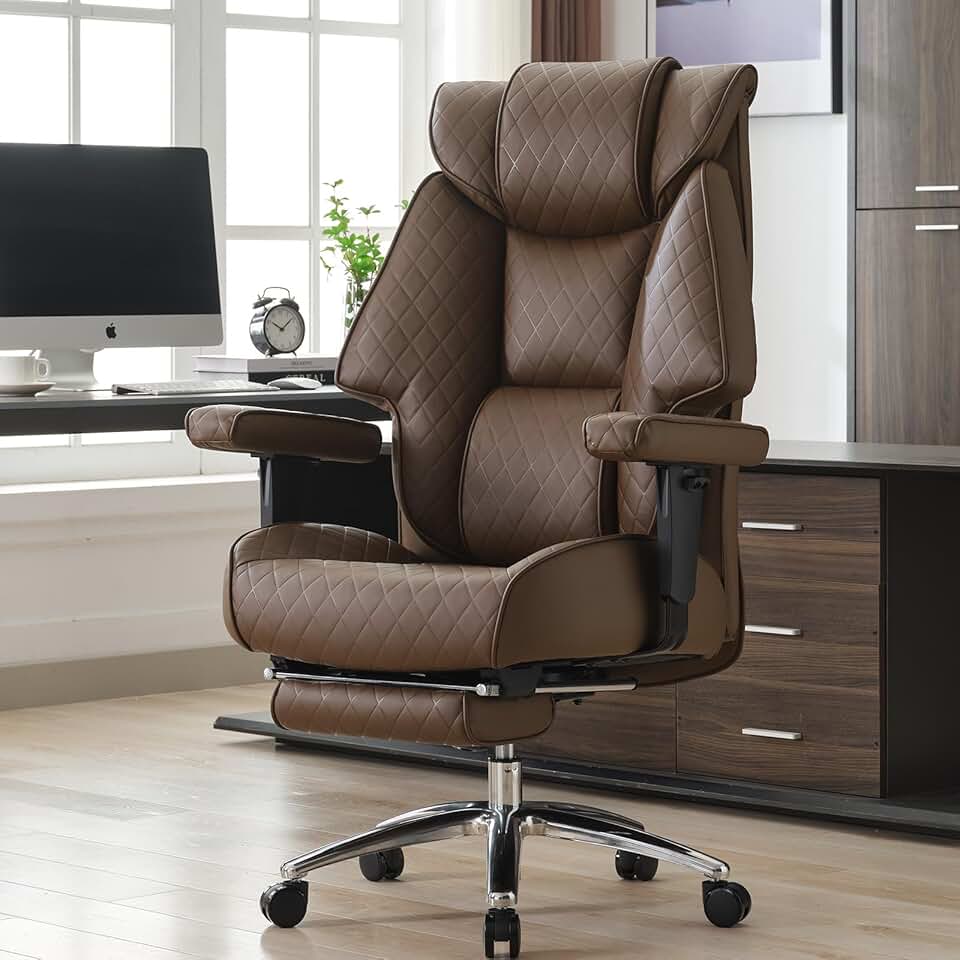
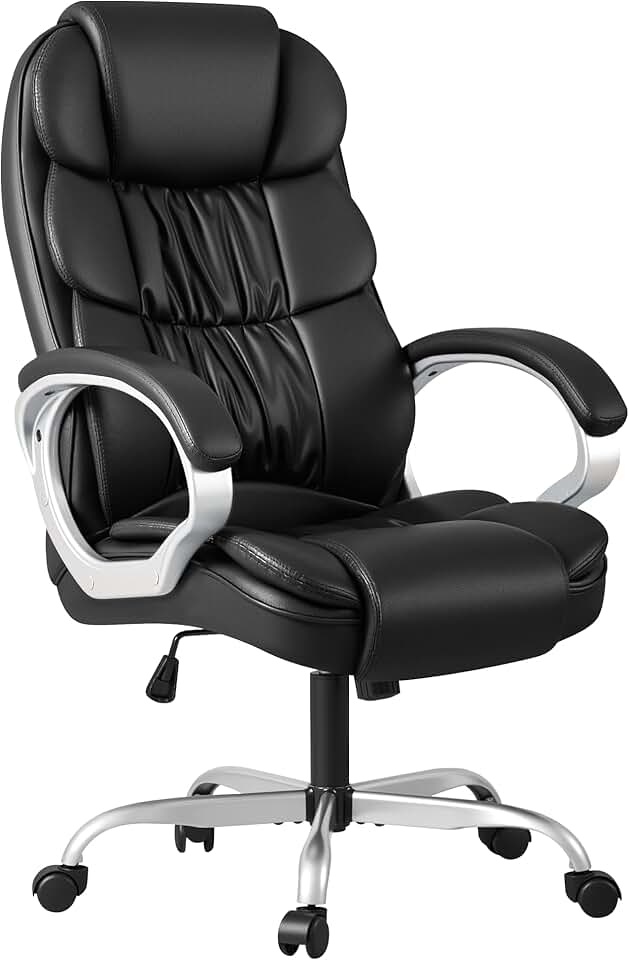
The COLAMY High Back Executive Chair weighs 45 lbs - heavier than the plastic-base mesh chairs crowding the $150-$180 range, and that weight tells you something real. The aluminum frame and metal rolling base are the structural backbone here, and aluminum won't micro-crack under daily load the way injection-molded nylon bases tend to after 18 months. BIFMA certification means the chair has been independently tested for structural integrity, not just labeled ergonomic by the manufacturer's own marketing team. The 300 lb weight capacity is credible given that certification. The mesh back is the one area where build longevity is an open question - mesh under daily 8-hour use tends to stretch and lose tension over 2-3 years, and without two years of field data on this specific model, that's a risk you're accepting.
Comfort & Ergonomics
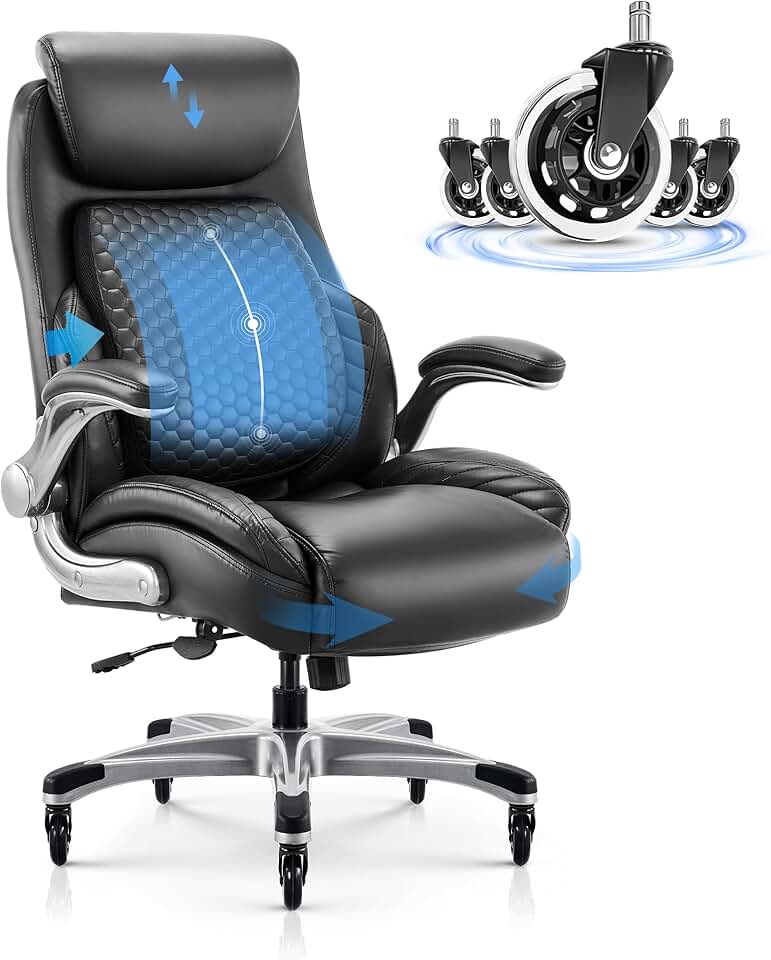
The high back design, sitting between 38" and 48" in height depending on the variant, provides genuine full-spine support up to the headrest - a measurable advantage over mid-back chairs that cut off support at the shoulder blades. The adjustable lumbar sits in the lower back curve where it needs to be, and critically, it adjusts rather than sitting fixed at one height the way budget chairs handle it. The mesh construction keeps the seating surface breathable, which matters in rooms without central air conditioning - leather and bonded leather alternatives trap heat noticeably after 90 minutes of continuous sitting. The seat cushion density hasn't been independently reviewed yet, so users coming from premium foam seats like the Steelcase Leap ($1,400) should set expectations accordingly.
Adjustability
This is where the COLAMY justifies its price against the field. 4D armrests - adjustable for height, width, depth, and pivot angle - appear on chairs like the Autonomous ErgoChair Pro at $499 and rarely below $300. Getting all four axes of arm adjustment at $219.99 is genuinely unusual. The sliding seat pan moves forward and back, which is critical for taller users with longer thigh-to-knee measurements - a fixed seat pan causes pressure behind the knees and is a primary driver of circulation complaints in budget ergonomic chairs. The tilt lock mechanism allows you to lock the recline at multiple angles rather than just upright or fully reclined. The adjustable headrest adds neck support for reclined work or video calls. Five meaningful adjustments working together is the real argument for this chair over similarly priced single-adjustment competitors.
Assembly
Colamy lists some variants as arriving largely pre-assembled, and the 45 lb shipping weight suggests a substantial amount of the structure ships complete. Without verified buyer assembly reports from 2026 purchases, assembly time and difficulty are not confirmed - early adopters should budget 30-45 minutes and have a second person available to handle the base-to-cylinder attachment, which on chairs in this weight class typically requires holding the cylinder steady while attaching the seat mechanism. Standard Phillips screwdriver and an Allen wrench cover most ergonomic chair assemblies in this category.
Value for Money
The closest direct competition at this price is the Sihoo M57 at $259 and the Hbada E3 at around $230. The Sihoo has 18 months of verified Amazon reviews averaging above 4.3 stars - that data is worth real money when you're buying a chair you'll sit in for 2,000 hours a year. The Hbada E3 has a narrower armrest adjustment range. The COLAMY beats both on paper adjustability, matches the Hbada on price, and undercuts the Sihoo by $39. The 3-year warranty is longer than the Hbada's standard 2-year coverage and matches Sihoo's warranty terms. If you can wait until post-May 2026 dispatch reviews accumulate, that's the rational move. If you're buying now and the spec sheet meets your needs, $219.99 with a 30-day return window and 3-year warranty is a defensible purchase.