Master office chair maintenance with our 2026 guide. Weekly, monthly, and yearly tasks to extend chair life from 3 to 10+ years. Includes repair vs. replace guide.
Products Mentioned
GABRYLLY Ergonomic High Back Mesh Chair
A $188 mesh chair that handles 400 lbs without the Herman Miller invoice
Office Chair Maintenance - The Complete Guide to Making Your Chair Last 10+ Years
Most office chairs die young - not from poor design, but from neglect. A $200 chair that gets basic care will outlast a $400 chair that doesn't. A $1,500 Herman Miller Aeron, properly maintained, should still be supporting your back in 2036. This guide gives you the exact maintenance routine, the right products, and the honest calls on when to fix versus when to quit.
The case for maintenance isn't just about saving money, though the numbers are stark. Budget chairs ($100-$300) have a natural lifespan of 3-5 years. With consistent maintenance, that stretches to 5-7 years. Mid-range chairs ($200-$500) that would otherwise wear out in 4-6 years can hit 8-10. Premium chairs from Herman Miller or Steelcase that already aim for 10-15 years? Maintenance is what gets them there.
The financial logic is simple. A gas lift replacement costs $20-$50 as a DIY job. Ignoring a sinking gas lift means buying a new chair. A set of replacement casters runs $15-$30. Hair-clogged wheels dragging across your floor warp the base over time and create uneven sitting posture. OSHA ergonomics research consistently links properly adjusted seating to 20-30% lower rates of low-back pain incidence - and a chair that has drifted out of adjustment is ergonomically no different from a bad chair.
The core maintenance tasks are: cleaning, tightening, lubricating, and inspecting. None of them require professional help. All of them take less time than you think.
Featured
GABRYLLY Ergonomic High Back Mesh Chair
A $188 mesh chair that handles 400 lbs without the Herman Miller invoice
These tasks take one coffee break per week and prevent the most common failure modes.
Casters - the most neglected part of any chair. Hair, carpet fibers, and debris wrap around caster axles and create rolling resistance. That resistance translates directly to uneven posture as you compensate by shifting your weight. Use scissors or a seam ripper to cut wrapped hair, then wipe the caster housing with a damp cloth. Takes 3-4 minutes.
Upholstery wipe-down. For mesh chairs, a soft brush or low-suction vacuum attachment clears dust from the weave. For vinyl or bonded PU leather, a microfiber cloth with mild soap handles surface grime. Fabric chairs need a low-suction vacuum pass - spot-clean any stains before they set. Leather chairs need the wipe-down but skip the soap; more on conditioning below.
Base and seat pan. A quick wipe of the five-star base and underside of the seat pan removes the grime that migrates up from the floor. Two minutes.
Monthly - 15-20 Minutes
Tighten all fasteners. Every bolt and screw in your chair experiences micro-movement every single day. Over a month, they loosen. A wobbly chair isn't just annoying - it shifts the load paths the chair was designed for, accelerating wear on plastics and welds. Go over every visible bolt with an Allen key set and Phillips screwdriver. If your chair didn't come with Allen keys, a basic set costs under $10 and you'll use it indefinitely.
Test all adjustment mechanisms. Run through height, tilt tension, tilt lock, armrest height, armrest width, lumbar height. If anything is stiff, sticky, or has lost its click, note it - that's your early warning system. A mechanism that's getting harder to adjust is a mechanism heading toward failure.
Spot clean upholstery. Monthly is the right interval for anything that didn't get addressed in weekly pass-throughs. For fabric, a diluted fabric cleaner on a cloth works for most stains. For mesh, warm water and mild soap on a soft brush, followed by air drying.
Wipe the gas lift cylinder. The exposed chrome or painted section of the gas lift collects dust and grime. Wipe it clean and check for any hydraulic fluid residue - a wet or greasy cylinder is an early sign the seal is going.
Quarterly - 30-45 Minutes
Deep clean upholstery. This is where material differences matter most.
Mesh: Full vacuum, warm soapy water scrub with a soft brush, rinse with damp cloth, air dry completely before use.
Fabric: Upholstery cleaner or diluted dish soap, work in with a soft brush, blot don't rub, air dry.
Leather (genuine): Wipe with damp cloth, follow with a leather conditioner. Skip the conditioner and genuine leather dries out and cracks - UV exposure from windows accelerates this significantly.
Bonded PU leather: Clean gently - bonded leather cannot be conditioned back to health once it starts peeling. Gentle cleaning extends the time before peeling starts, but it will peel eventually. This is a known limitation of the material.
Lubricate pivot points and tilt mechanism. Silicone spray is the right product here - not WD-40, which is a cleaner and degreaser, not a long-term lubricant. Apply silicone spray to the tilt pivot points under the seat, the armrest adjustment joints, and the gas lift cylinder where it enters the seat mechanism. Wipe off excess. This is what eliminates squeaking in 90% of cases.
Full gas lift inspection. Sit in the chair, set it to your normal height, and wait 5 minutes. Stand up and look - if the chair has dropped even slightly, your gas lift is losing pressure. A slow sink means you have weeks to months before it fails completely. A fast sink means replace it now. DIY gas lift replacement runs $20-$50 depending on diameter and stroke length - measure yours before ordering.
Caster deep clean and lubrication. Remove each caster by pulling straight out (most press-fit into the base socket). Clear all debris from the axle, wipe the socket clean, and apply a small amount of silicone lubricant to the axle before reinserting. If any caster spins unevenly, wobbles on the axle, or has cracked housing, replace the set. A full set of generic standard casters costs $10-$20; hardwood-floor-safe casters with polyurethane wheels run $20-$40.
Material-Specific Care - What Works and What Damages Your Chair
Mesh Chairs
Mesh is the most maintenance-friendly material - it doesn't absorb stains as readily as fabric, doesn't crack like leather, and the open weave allows airflow that reduces sweat buildup. The failure mode for mesh is structural: the weave can stretch or fray under prolonged heavy use, and once the tension goes, no amount of cleaning fixes it. Keep mesh clean and dry, avoid leaving anything sharp on the seat, and inspect the weave edges quarterly for early fraying.
For a solid mid-range mesh option that won't punish you if you're still learning maintenance habits, the GABRYLLY Ergonomic Office Chair at $191.50 and the [TRALT Ergonomic Mesh Office Chair Black](/chairs/tralt-ergonomic-mesh-office-chair-black) are both reasonable choices with replaceable components.
Fabric Chairs
Fabric absorbs everything - sweat, food, spills - and holds odors. The weekly vacuum pass is non-negotiable. Act on spills immediately: blot, never rub, working from the outside of the stain inward. Odor issues that survive spot cleaning respond to a baking soda application - sprinkle, let sit 30 minutes, vacuum thoroughly.
Leather and PU Leather
Genuine leather is durable with proper care but high maintenance. Condition it every 3 months and keep it out of direct sunlight. The La-Z-Boy Delano Big and Tall Executive Office Chair at $614.99 uses genuine leather construction and will reward conditioning with genuine longevity.
Bonded PU leather is a different story. It's a fabric base with a polyurethane coating, and that coating will eventually peel - usually starting at seat edges and armrests where flex and friction are highest. You can delay this with gentle cleaning and avoiding harsh chemicals, but you cannot prevent it entirely. If you're buying a chair primarily for longevity, bonded leather is a weakness, not a feature. The Sweetcrispy Ergonomic PU Leather Gaming Chair at $67.96 is an example of a chair to avoid if longevity is your goal - the bonded PU leather at that price point will show peeling within 2-3 years under daily use, and the low price point typically correlates with mechanisms that don't respond well to repair attempts.
TRALT Ergonomic High Back Mesh Chair
330-lb capacity, lifetime warranty, $132.99 - serious ergonomics without the Herman Miller price
Ninety percent of chair squeaks are either loose bolts or unlubricated pivot points. Start with the bolt tightening pass. If the squeak persists, identify which movement triggers it - tilt, arm adjustment, or height - and apply silicone spray to the corresponding mechanism. If the squeak comes from the gas lift area, it's usually the cylinder rubbing against the seat plate; a small amount of silicone spray at that contact point resolves it.
Persistent squeaking after lubrication typically means a cracked plastic component - the squeak is the material flexing at the crack. Find the crack and determine if it's structural. Cracks in the five-star base or seat plate are structural; replace the part or the chair. Cracks in decorative trim are cosmetic; ignore them.
Sinking Gas Lift
This is the most common mechanical failure in office chairs. The fix is straightforward: measure your gas lift cylinder (remove it from the base, measure outer diameter - usually 2" standard), order a replacement, and swap it out. No tools required beyond pulling the old one out and pressing the new one in. Total time: 10 minutes. Total cost: $20-$50.
A replacement cylinder from a chair parts supplier will outlast most OEM cylinders because aftermarket suppliers tend to stock Class 4 heavy-duty cylinders regardless of what the original chair shipped with.
Wobbly Chair
A new wobble that appears after months of use is almost always loose bolts at the base-to-cylinder interface or the backrest mounting. Tighten everything, sit down, and test. If wobble persists after full tightening, the issue is worn plastic where the cylinder socket contacts the base legs - the tolerance has widened from use. Some people use a thin rubber shim; the honest answer is that a worn base on a budget chair is a signal to replace it.
Caster Drag
If cleaning doesn't fix caster drag, the caster itself is worn. The wheel bearings inside cheap casters degrade over time, especially on hard floors. Replacement casters for standard 2" post sockets cost $15-$30 for a full set and typically represent a meaningful upgrade over the originals. Consider polyurethane wheels if you're on hardwood - they're quieter and don't mark floors.
Chairs Worth Maintaining - and What to Buy If You Need a New One
Maintenance ROI depends heavily on what you're maintaining. Spending time on a $70 chair is rational up to a point - but a chair with non-replaceable components, proprietary mechanisms, or construction that doesn't tolerate disassembly has a hard ceiling on maintainability.
Premium Tier - 10-15+ Year Lifespan
Model
Price (USD)
Material
Warranty
Maintenance Advantage
Herman Miller Aeron
$1,500-$2,000
8Z Pellicle mesh
12 years
Commercial-grade gas lift, standard caster sizing, all mechanisms serviceable
These chairs are designed with repairability in mind. Herman Miller and Steelcase both have authorized repair programs and sell replacement parts directly. That matters when you're planning for a 15-year relationship with a chair.
Mid-Range Tier - 5-8 Year Lifespan with Maintenance
For a home office on a realistic budget, the sweet spot is $150-$300. These chairs use standard-dimension components (casters, gas lifts) that are easily replaced, and the mechanisms are serviceable with basic tools.
If budget is tight, the BestOffice Big Tall Mesh Chair at $124.99 is the lowest price point where we'd say maintenance efforts actually pay off. Below that threshold, you're better off accepting a shorter lifespan and putting the maintenance time savings toward saving for a better chair.
What to Avoid
The PayLessHere Office Computer Chair at $19.99 is the clearest example of a chair where maintenance is essentially pointless. At that price point, the gas lift, casters, and frame are all below the quality threshold where they respond to care. The gas lift on chairs in this range frequently fails within 12-18 months regardless of maintenance, and the replacement parts cost more than the chair is worth. Buy it if you need a chair tomorrow for two months. Don't maintain it - replace it.
TRALT Ergonomic Mesh Office Chair
330-lb capacity, lifetime warranty, $113.99 - but is the mesh built to last?
This decision framework works for any chair at any price point.
Repair if:
The issue is a single failed component (gas lift, casters, one armrest)
Replacement part cost is under 30% of the chair's current replacement value
The frame and seat structure are sound
The chair is a premium model with 12-year warranty or proven parts availability
Replace if:
Seat foam has compressed and lost shape - this isn't fixable on most chairs
Frame cracks are present at load-bearing joints
Multiple mechanisms are failing simultaneously
The chair is a budget model ($100-$200) with 3+ years of use and multiple issues
Upholstery failure on bonded PU leather is extensive
The honest math: If you're looking at $80 in parts on a chair you bought for $150 two years ago, that's not a repair - that's a sign to put $230 toward something better. If you're looking at $50 in parts on a chair you'd pay $1,600 to replace, that's an obvious repair.
Buying with maintenance in mind means looking for specific things, not just good reviews.
Check caster type. Standard 2" post casters are universally replaceable. Proprietary casters are not. If a chair's casters are listed as a special feature in the marketing, be suspicious.
Ask about replacement parts. Brands that sell replacement parts directly (Herman Miller, Steelcase, Humanscale) are signaling they expect you to keep the chair for a long time. Brands that don't mention it probably don't stock them.
Prefer mesh over bonded leather if lifespan is the priority. Mesh doesn't peel, crack, or require conditioning. It does eventually stretch or fray, but on a quality chair that takes years longer than PU leather starts showing problems.
Assess mechanism quality at purchase. Sit in the chair and run every adjustment before you buy. Stiff, sticky, or imprecise adjustments don't improve with use - they get worse. A mechanism that feels solid at purchase will respond to lubrication and tightening maintenance. One that already feels rough won't.
Weight capacity matters beyond your weight. A chair rated for 250 lbs used by someone who weighs 180 lbs is under less mechanical stress than a 300 lb-rated chair carrying 280 lbs. Running closer to the rated limit accelerates wear on gas lifts, casters, and frame joints. Build in a 20-30% buffer if longevity is the goal.
For users who want a proven mid-range option that checks these boxes, the SIHOO M18 Ergonomic Mesh Office Chair at $139.99 offers genuine adjustability and mesh construction at a price where maintenance ROI makes sense. The Marsail Ergonomic Mesh Office Chair at $84.99 is the budget floor we'd recommend - below that, you're into territory where the components can't be meaningfully extended by care.
SIHOO M18 Ergonomic Mesh Office Chair
126 degrees of recline, $160 - the budget ergonomic chair that earns its BIFMA cert
Allen key set (metric and imperial, $8-$12) - fits most chair bolts
Phillips and flathead screwdrivers - for base and mechanism screws
Silicone spray lubricant ($8-$12 per can, lasts 2+ years of chair maintenance) - do not substitute WD-40
Microfiber cloths - 4-6 is plenty
Scissors or seam ripper - for caster hair removal
Low-suction vacuum attachment or soft brush - for mesh and fabric
Leather conditioner (if applicable) - any standard product works
Total investment: under $40. Amortized over the years you'll use these, it's negligible.
If you're experiencing persistent back discomfort from a chair that's otherwise in good mechanical shape, consider supplementing with a Samsonite Memory Foam Lumbar Support Pillow at $22.95 or Niceeday Lumbar Support Pillow at $26.99 while you work on proper adjustment. These aren't substitutes for a well-adjusted chair, but they bridge the gap while you identify whether the issue is chair mechanics or posture habits.
Setting Up a Maintenance Reminder System
The biggest obstacle to consistent maintenance isn't effort - it's remembering to do it. A recurring calendar event works better than willpower. Set three:
Monthly (first Saturday of month, 20 min): Tighten, test adjustments, spot clean
Quarterly (Jan/Apr/Jul/Oct, 45 min): Deep clean, lubricate, gas lift inspection
Schedule app reminders or use any habit-tracking app. The specificity of the date matters - "do it sometime this month" means it doesn't happen.
A chair that gets this schedule consistently will perform noticeably better than one that gets irregular attention, and the cumulative effect over 5 years is the difference between a chair that needs replacement and one that's still going strong.
Sweetcrispy Ergonomic PU Leather Gaming Chair
A $68 gaming chair that does exactly what you'd expect for $68
Lubricate your office chair's pivot points, tilt mechanism, and caster axles every 3 months (quarterly). Use silicone spray rather than WD-40 - WD-40 is a degreaser and will eventually dry out the mechanism. A single can of silicone spray costs around $8-12 and covers multiple years of chair maintenance.
A sinking office chair means the gas lift cylinder is losing pressure - the internal seal has worn and can no longer hold height. This is the most common mechanical failure in office chairs. The fix is straightforward: measure your cylinder's outer diameter (usually 2 inches standard), order a replacement for $20-50, and swap it in without any tools. Ignoring a sinking chair wears out the height adjustment lever and accelerates posture problems.
Start by tightening all bolts and screws with an Allen key and screwdriver - loose fasteners cause the majority of chair squeaks. If the squeak persists, apply silicone spray to the tilt mechanism pivot points, armrest adjustment joints, and the point where the gas lift cylinder meets the seat plate. Identify which movement triggers the squeak to target the right area. Persistent squeaking after lubrication usually indicates a cracked plastic component that needs replacing.
Budget chairs ($100-300) typically last 3-5 years; with consistent maintenance, 5-7 years. Mid-range chairs ($200-500) can reach 8-10 years with proper care. Premium chairs like the Herman Miller Aeron or Steelcase Gesture are built for 10-15+ years and come with 12-year warranties that reflect that expectation. The single biggest factor affecting lifespan isn't price - it's whether the chair receives regular cleaning, tightening, and lubrication.
Yes, and you should if your casters are dragging, wobbling, or damaged. Most office chairs use standard 2-inch post casters that pull straight out and press straight in - no tools required. A full replacement set of generic casters costs $15-30; polyurethane casters for hardwood floors run $20-40 and are quieter and floor-friendlier. Caster replacement is one of the easiest and most impactful maintenance tasks you can do.
Weekly, use a low-suction vacuum attachment or soft brush to clear dust from the weave. For deeper quarterly cleaning, scrub the mesh with warm water and mild soap using a soft brush, then wipe clean with a damp cloth and allow to air dry completely before sitting. Avoid soaking the mesh or using harsh chemical cleaners, which can degrade the weave fibers over time. Act on spills quickly - blot rather than rub to avoid spreading the stain.
Repair if the issue is a single failed component (gas lift, casters, armrest) and the repair cost is under 30% of what you'd pay to replace the chair. Replace if the seat foam has lost shape, the frame has structural cracks, multiple mechanisms are failing simultaneously, or you're looking at significant repair costs on a budget chair under 2-3 years old. Premium chairs with 12-year warranties from brands like Herman Miller or Steelcase are almost always worth repairing - parts are available and the base chair quality justifies the investment.
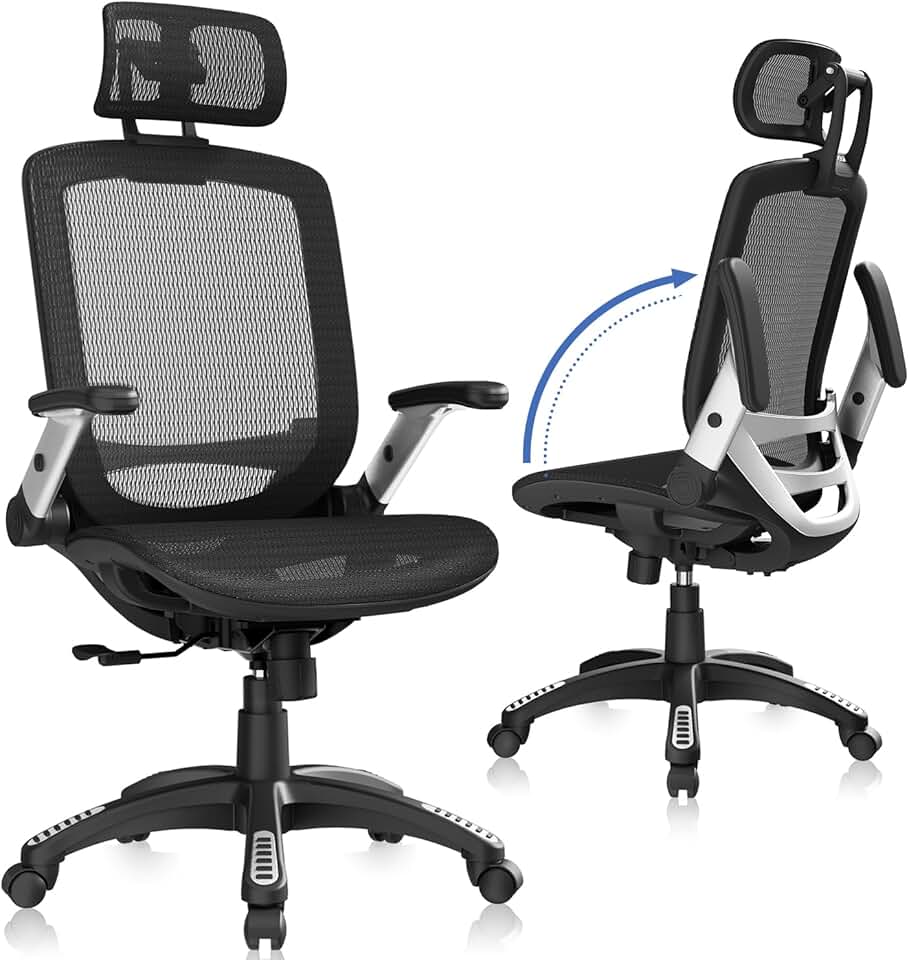

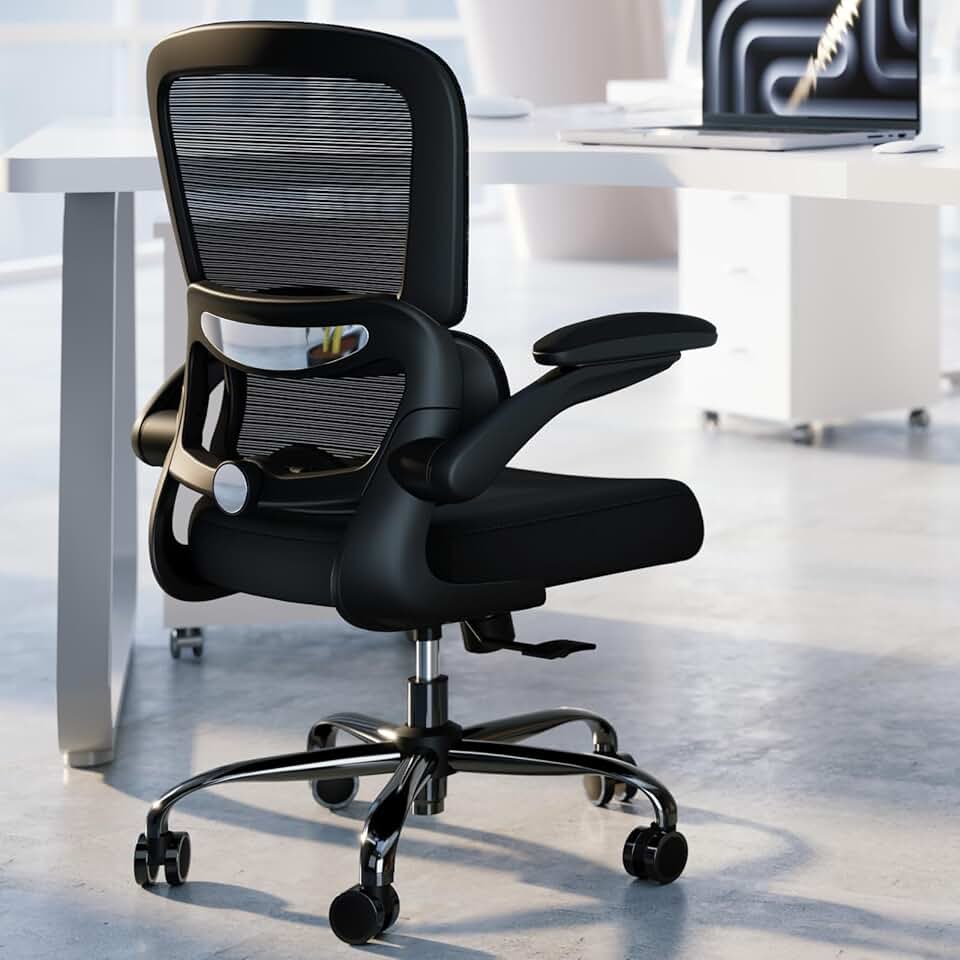


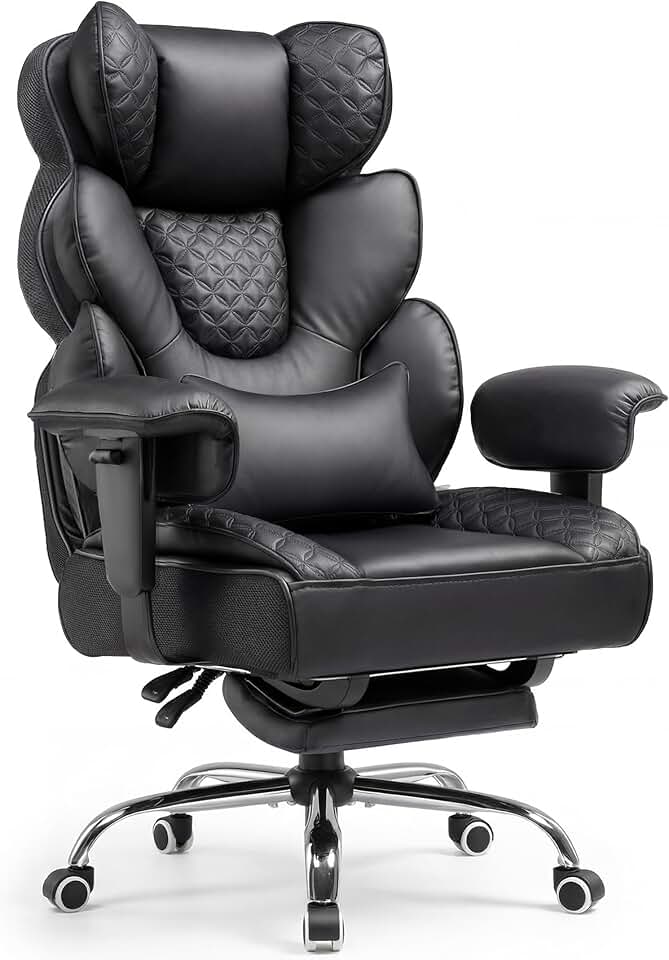


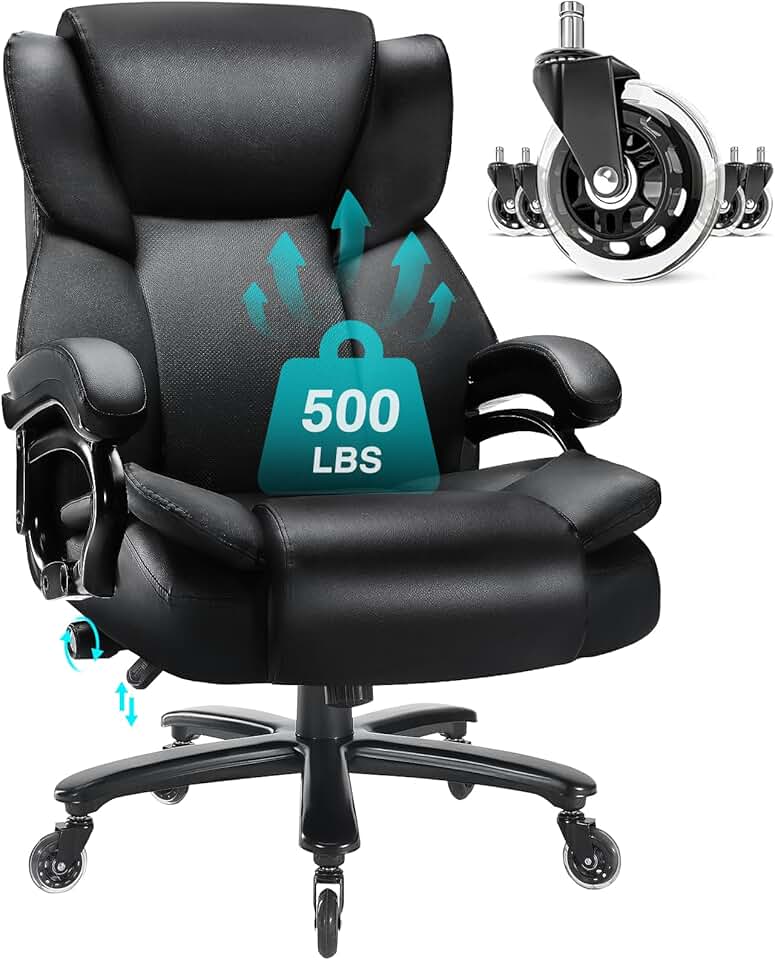


 Photo by
  Photo by